

Send Message
Privacy statement: Your privacy is very important to Us. Our company promises not to disclose your personal information to any external company with out your explicit permission.
 Shenzhen DOSZ Technology Co., Ltd.
Select Language
English
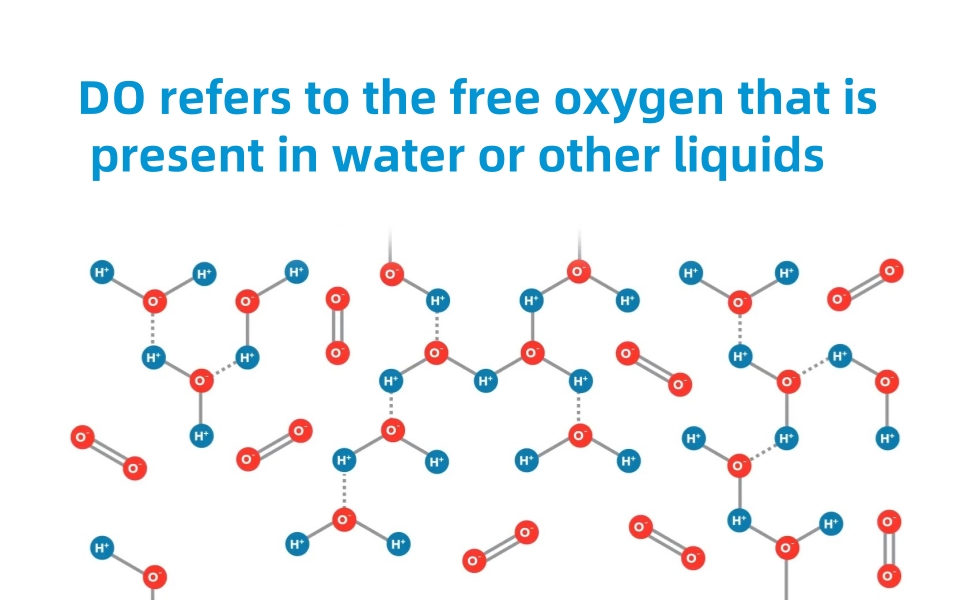
Dissolved oxygen (DO) is essential for aquatic life, affecting water quality and ecological balance. It refers to free oxygen present in water, distinct from the oxygen bonded in H?O molecules. Most aquatic organisms, including fish and beneficial bacteria, rely on sufficient DO levels to survive.
Oxygen enters water naturally through atmospheric diffusion, aeration (such as waterfalls or waves), and photosynthesis from aquatic plants. However, changes in environmental conditions can cause significant fluctuations in water oxygen levels, impacting aquatic ecosystems.
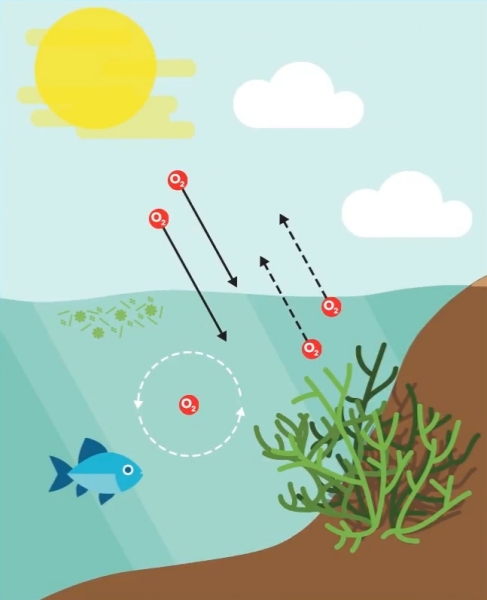
Dissolved oxygen in water
?
Supersaturation occurs when dissolved oxygen levels exceed 100% saturation. This can happen during rapid photosynthesis in algal blooms or in turbulent waters where air is excessively mixed in. While high oxygen levels may seem beneficial, extreme supersaturation can lead to gas bubble disease in fish.
Hypoxia is a condition where DO levels drop too low to support aquatic life. This is often caused by excessive nutrient pollution (eutrophication), algal bloom decay, or thermal pollution. Hypoxic waters can result in fish kills and dead zones in lakes, rivers, and oceans.
?
Monitoring aquatic oxygen levels is essential for assessing water quality and preventing harmful environmental conditions. Common methods include:
Regular monitoring of dissolved oxygen helps prevent hypoxia, optimize aquaculture conditions, and ensure regulatory compliance in wastewater treatment. DO levels are a critical indicator of overall water quality and ecosystem health.
By using advanced water oxygen level sensors and monitoring strategies, industries and researchers can take proactive steps in maintaining healthy aquatic environments.
?
Understanding dissolved oxygen dynamics is crucial for environmental management and aquatic health. By monitoring and controlling water oxygen levels, we can ensure balanced ecosystems, reduce pollution impacts, and support sustainable water resources.
September 25, 2024
August 27, 2024

November 07, 2023
October 20, 2023
In the field of water quality monitoring and analysis, DOSZ's water quality instrument development team has stringent requirements on the performance of sensors, especially for waterproof...
Overview As a high-precision water quality monitoring device, the signal detection process of fluorescent dissolved oxygen sensor involves knowledge and technology in multiple fields such as optics,...
Introduction to Electrode Glass Membrane The electrode glass membrane, a critical component in pH electrodes, possesses a series of unique properties that make it suitable for use in harsh...
Overview Water quality is a critical factor in environmental protection, industrial processes, and public health. Effective monitoring and control help maintain safe drinking water, optimize...
Email to this supplier
September 25, 2024
August 27, 2024
November 07, 2023
October 20, 2023
About Us
Related Products List
Contact Us

Send Inquiry
Privacy statement: Your privacy is very important to Us. Our company promises not to disclose your personal information to any external company with out your explicit permission.
Fill in more information so that we can get in touch with you faster
Privacy statement: Your privacy is very important to Us. Our company promises not to disclose your personal information to any external company with out your explicit permission.