

Send Message
Privacy statement: Your privacy is very important to Us. Our company promises not to disclose your personal information to any external company with out your explicit permission.
 Shenzhen DOSZ Technology Co., Ltd.
Select Language
English
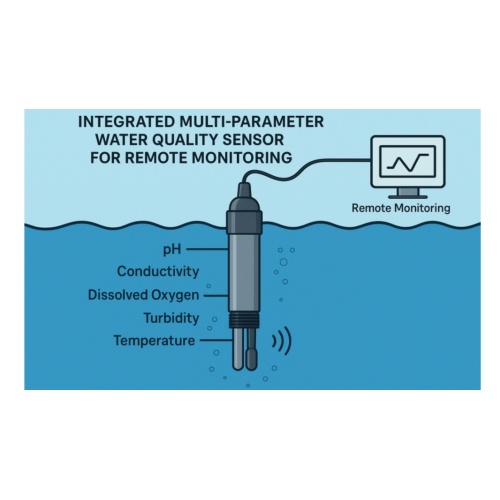
Water quality is a critical factor in environmental protection, industrial processes, and public health. Effective monitoring and control help maintain safe drinking water, optimize industrial processes, and ensure environmental compliance. Modern water quality sensors, such as pH sensors, ORP sensors, conductivity sensors, and dissolved oxygen sensors, provide real-time data for accurate water management.
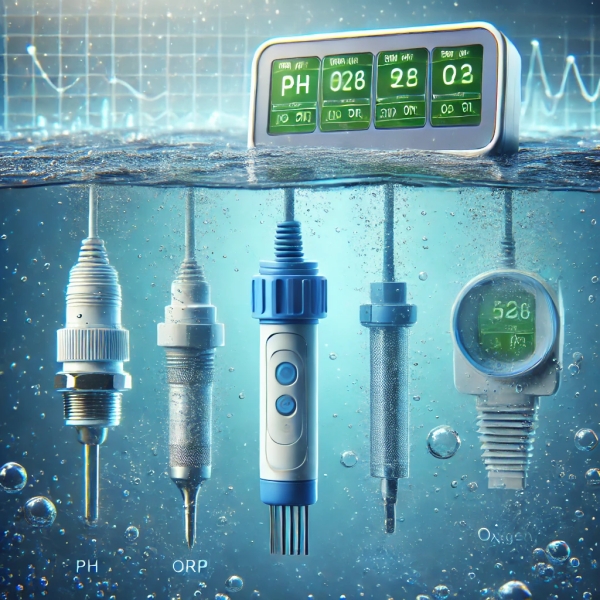
Water contamination can have serious consequences, including public health risks, environmental damage, and industrial inefficiencies. Industries such as wastewater treatment, aquaculture, and food processing rely on precise water quality monitoring to optimize their operations and comply with regulations.
Key Benefits of Water Quality Monitoring:
To maintain water quality, several parameters must be measured continuously. The most common sensors used in water treatment include:
pH and ORP sensors play a crucial role in water treatment systems, helping to maintain balanced water chemistry. Below are key applications:
Municipal water treatment facilities use pH and ORP sensors to ensure water meets safety standards. Maintaining a stable pH level (typically 6.5-8.5) prevents pipe corrosion and ensures effective disinfection.
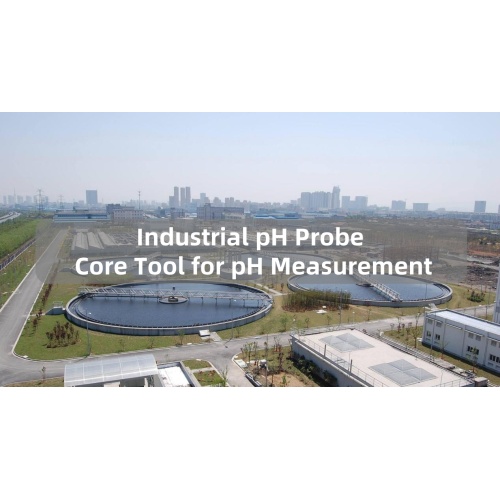
In wastewater treatment plants, pH control is vital for biological processes, while ORP sensors help optimize chemical dosing for oxidation and reduction reactions.
Industries such as pharmaceuticals and food processing use pH and ORP monitoring to maintain product quality and regulatory compliance.
?
With advancements in IoT technology, modern PH ORP controllers now feature remote monitoring, real-time data logging, and automated adjustments. These innovations improve efficiency and reduce operational costs for industries relying on accurate water quality control.
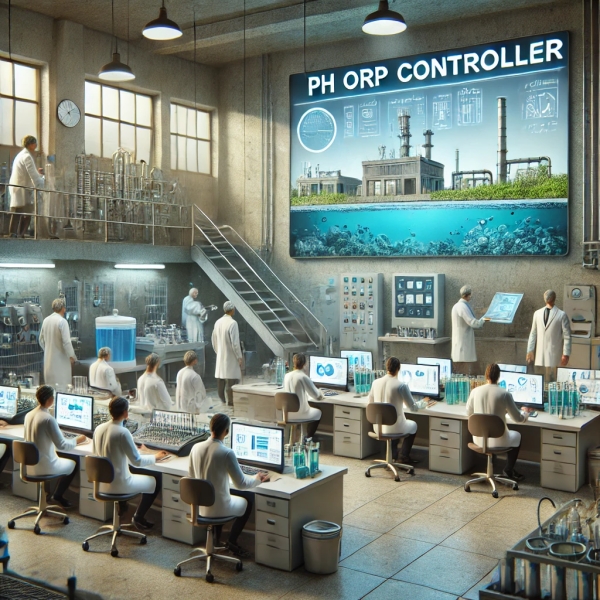
The use of water quality sensors, including pH, ORP, conductivity, and dissolved oxygen sensors, is essential for optimizing water treatment processes. As technology advances, the integration of smart controllers and automation will further enhance water management efficiency.
If you are looking for reliable PH ORP controllers and water quality monitoring solutions, contact us today to learn more about our products.

September 25, 2024
August 27, 2024

November 07, 2023
October 20, 2023
In the field of water quality monitoring and analysis, DOSZ's water quality instrument development team has stringent requirements on the performance of sensors, especially for waterproof...
Overview As a high-precision water quality monitoring device, the signal detection process of fluorescent dissolved oxygen sensor involves knowledge and technology in multiple fields such as optics,...
Introduction to Electrode Glass Membrane The electrode glass membrane, a critical component in pH electrodes, possesses a series of unique properties that make it suitable for use in harsh...
Overview Discover the importance of dissolved oxygen in water, its impact on aquatic ecosystems, factors affecting levels, and methods for accurate monitoring. DO & Dissolved Oxygen ? ? What is...
Email to this supplier
September 25, 2024
August 27, 2024
November 07, 2023
October 20, 2023
About Us
Related Products List
Contact Us

Send Inquiry
Privacy statement: Your privacy is very important to Us. Our company promises not to disclose your personal information to any external company with out your explicit permission.
Fill in more information so that we can get in touch with you faster
Privacy statement: Your privacy is very important to Us. Our company promises not to disclose your personal information to any external company with out your explicit permission.