Home> Blog> Requirements for Turbidity Measurement Equipment

Requirements for Turbidity Measurement Equipment

January 21, 2025

Requirements for Turbidity Measurement Equipment

Turbidity measurement places certain demands on equipment, focusing on performance, accuracy, stability, ease of operation, and other aspects. Below is a detailed explanation of the requirements for turbidity measurement equipment.

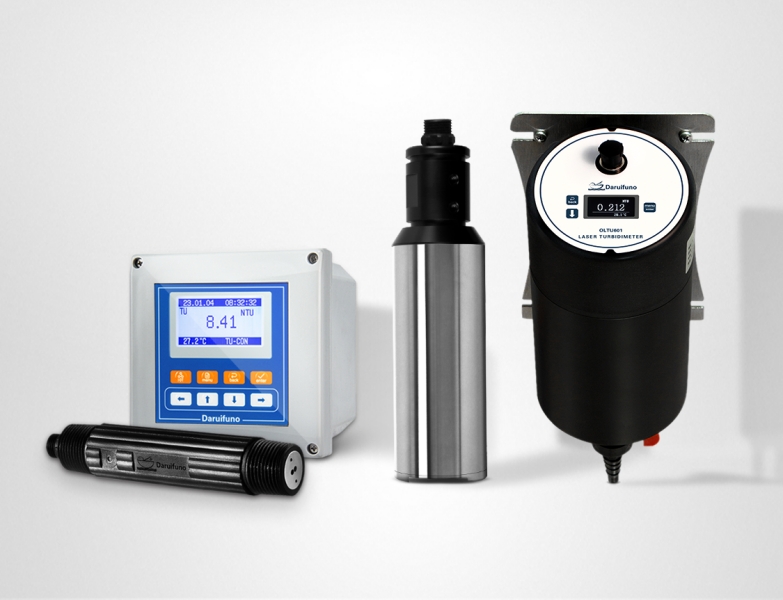
DUC2-TU digital turbidity analyzer

Performance Requirements

  • Measurement Range: Turbidity measurement equipment should have a wide measurement range to accommodate the measurement needs of different turbidity water bodies. The common measurement range is generally 0~4000 NTU (Turbidity Unit), but the specific range may vary depending on the equipment model and application.
  • Measurement Accuracy: The equipment should have high measurement accuracy to ensure the accuracy and reliability of the measurement results. Generally, the measurement error should not exceed ±5%, and repeatability error and zero drift should also be controlled within a small range.
  • Stability: Turbidity measurement equipment should maintain stable measurement performance during long-term use, unaffected by external factors such as ambient temperature and humidity. The stability of the equipment can be maintained through regular calibration and inspection.
?

Structural Requirements

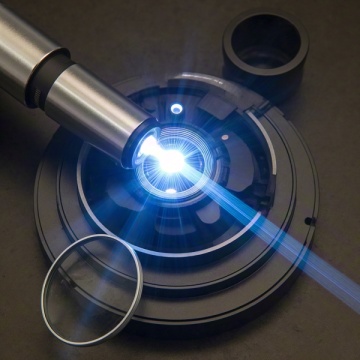
  • Light Source and Detector: Turbidity measurement equipment typically uses optical principles for measurement, requiring a stable light source and a highly sensitive detector. The light source generally uses LEDs or lasers, while the detector uses photoelectric conversion elements such as photodiodes.
  • Signal Converter: The equipment should have a signal converter to convert the measurement signal into an electrical signal and output it in a unified manner. The signal converter should have calculation functions such as compensation for light source fluctuations, power supply voltage stabilization, compensation for colored samples, and compensation for non-linearity of the output.
  • Display and Recording Unit: The equipment should have a clear display screen and recording unit for displaying and recording measurement results. The display screen generally uses a color LCD touchscreen, and the recording unit has data storage and printing functions.
?

Ease of Operation Requirements

  • Operating Interface: The operating interface of turbidity measurement equipment should be simple and intuitive, easy to operate and understand. The equipment should have a Chinese menu display and Chinese operation guide to facilitate user operation and use.
  • Calibration and Cleaning Functions: The equipment should have automatic or manual calibration functions to ensure the accuracy of measurement results. At the same time, the equipment should also have cleaning functions for cleaning components such as detectors and sample cells to prevent contamination and clogging.
  • Alarm and Prompt Functions: The equipment should have alarm and prompt functions. When the measurement result exceeds the set range or the equipment malfunctions, it can automatically issue an alarm signal or prompt information to remind the user to take action.
?

Other Requirements

  • Operating Environment: Turbidity measurement equipment should adapt to different operating environments, such as temperature, humidity, electromagnetic interference, etc. The equipment should be used and stored under specified environmental conditions to ensure its normal operation and extend its service life.
  • Maintenance and Servicing: The equipment should be regularly maintained and serviced, including cleaning, calibration, and inspection. Users should operate and maintain the equipment according to the requirements of the equipment manual to ensure its performance and accuracy.
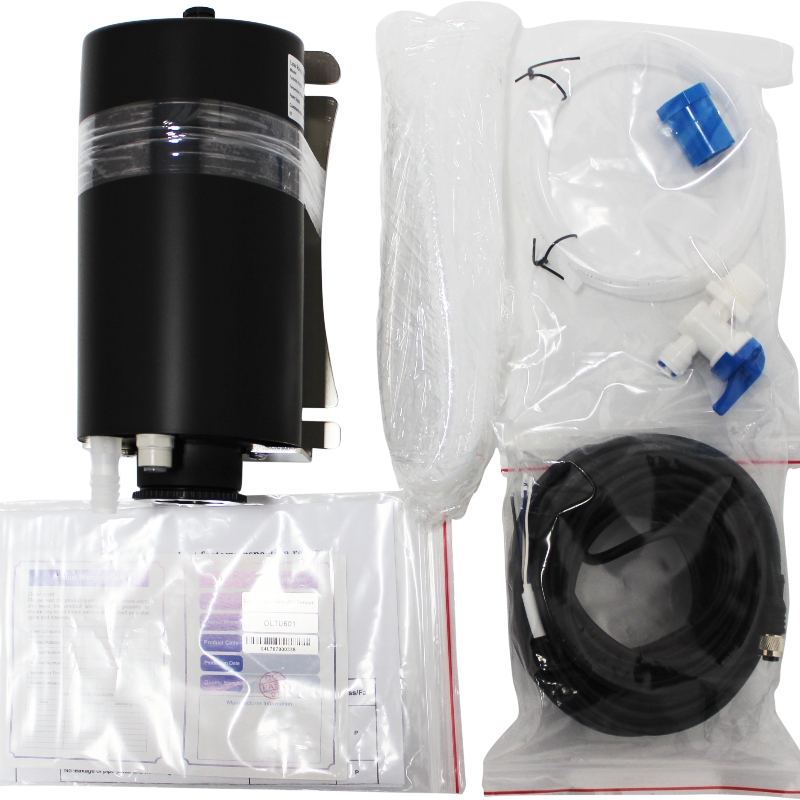
Turbidity measurement equipment packaging

In summary, turbidity measurement places certain demands on equipment, including performance, structure, ease of operation, and other considerations. When selecting and using turbidity measurement equipment, users should choose the appropriate equipment model and specification based on actual needs and measurement requirements, and operate and maintain the equipment according to the requirements of the equipment manual.

Contact Us

Author:

Ms. Selena

Phone/WhatsApp:

++86 18013144571

Popular Products
You may also like
Related Information
Daruifuno Sensor & Probe-Pressure and Waterproof Test

In the field of water quality monitoring and analysis, Daruifuno's water quality instrument development team has stringent requirements on the performance of sensors, especially for waterproof...

Signal detection and temperature compensation calibration of fluorescent dissolved oxygen sensor

Overview As a high-precision water quality monitoring device, the signal detection process of fluorescent dissolved oxygen sensor involves knowledge and technology in multiple fields such as optics,...

The Characteristics and Applications of Electrode Glass Membrane

Introduction to Electrode Glass Membrane The electrode glass membrane, a critical component in pH electrodes, possesses a series of unique properties that make it suitable for use in harsh...

Water Quality Monitoring and Control: Optimizing Water Treatment with Sensors

Overview Water quality is a critical factor in environmental protection, industrial processes, and public health. Effective monitoring and control help maintain safe drinking water, optimize...

Related Categories

Email to this supplier

Subject:
Email:
Message:

Your message must be between 20-8000 characters

We will contact you immediately

Fill in more information so that we can get in touch with you faster

Privacy statement: Your privacy is very important to Us. Our company promises not to disclose your personal information to any external company with out your explicit permission.

Send