

Send Message
Privacy statement: Your privacy is very important to Us. Our company promises not to disclose your personal information to any external company with out your explicit permission.
 Shenzhen DOSZ Technology Co., Ltd.
Select Language
English
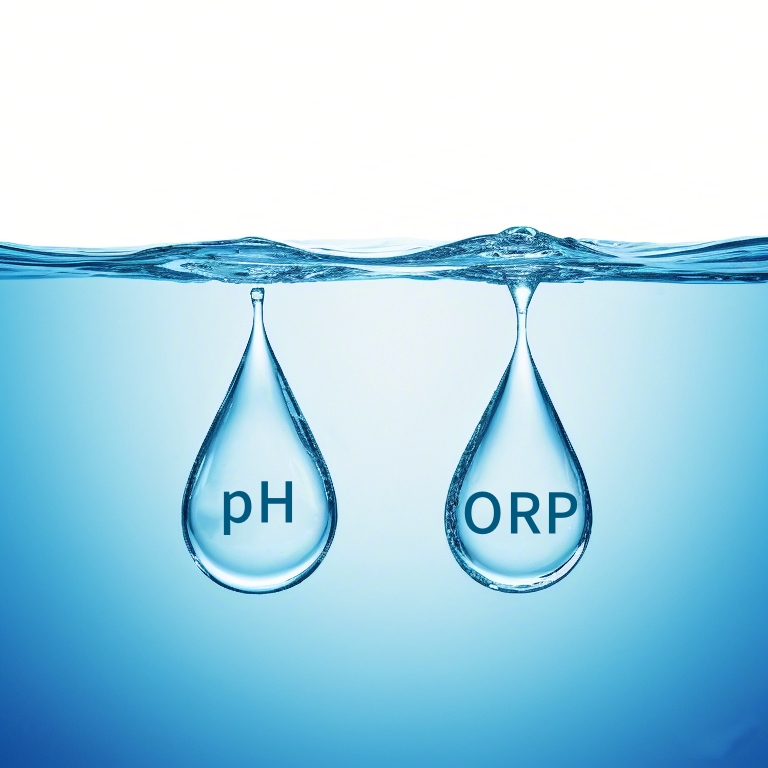
In the field of water quality monitoring, pH and oxidation-reduction potential (ORP) are two of the most well-known parameters. While individually insightful, their combined measurements provide a comprehensive view of water conditions, applicable in hydroponics, environmental sampling, and brewing premium beverages.
?
pH measures the concentration of hydrogen ions. Pure water has a pH value of 7, indicating neutrality. Acidic substances have a pH below 7, while basic substances measure above this level. For instance, maintaining water pH levels between 6.5 and 8.5 is critical for health and environmental safety.
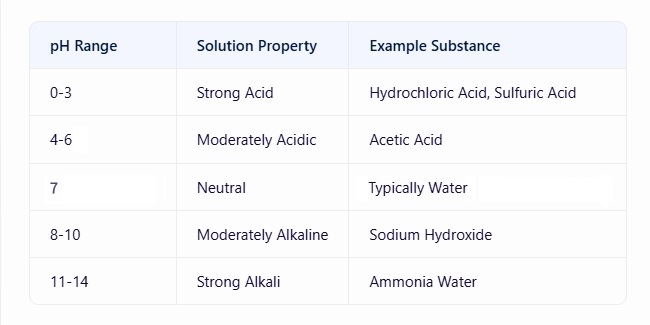
pH deviations can lead to adverse effects, from skin irritation in household water to toxicity in aquatic life. Monitoring pH helps prevent such risks and ensures water remains within acceptable ranges.
?
ORP (Oxidation-Reduction Potential) reflects water's oxidative or reductive capability, measured in millivolts (mV). A positive ORP value indicates an oxidizing environment, which is often linked to better sanitation levels.
ORP sensors detect active ions and total dissolved solids, providing insights into disinfection efficiency. Ideal ORP levels for water disinfection range from 650mV to 750mV, depending on natural conditions and added chemicals like chlorine.
?
Although pH and ORP are distinct parameters, they are loosely correlated. High chlorine concentrations, for example, increase ORP levels while lowering pH. Conversely, adding acids reduces pH but enhances ORP due to increased oxidative properties.
This inverse relationship highlights the importance of balanced water treatment strategies to achieve both ideal pH and ORP levels for specific applications.
?
Both pH sensors and ORP probes utilize advanced combination sensor technology. pH sensors output unitless values within a 0-14 range, while ORP sensors generate millivolt readings. High-precision laboratory-grade probes are recommended for extreme conditions.
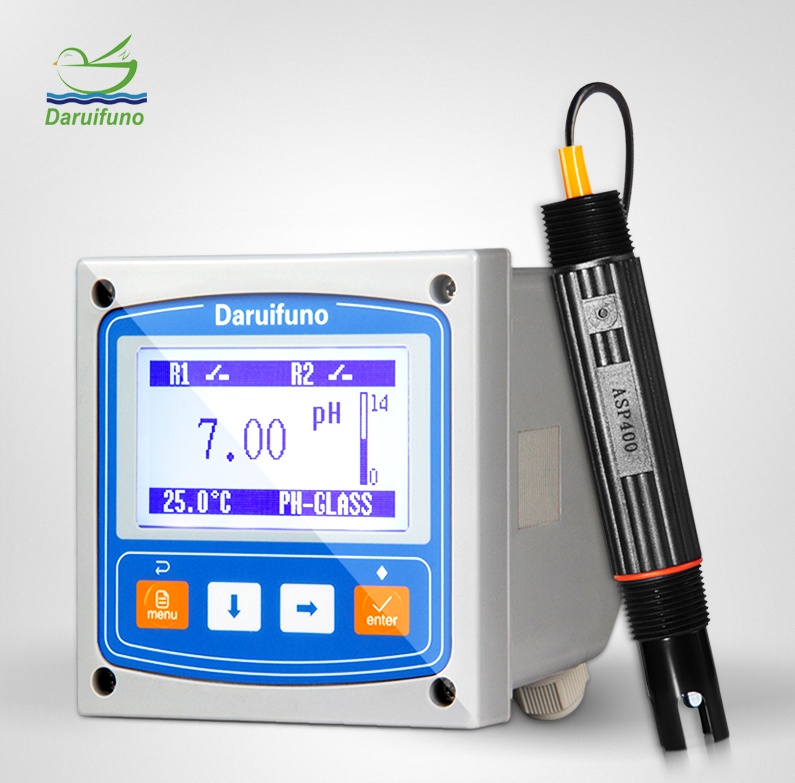
By selecting appropriate sensors, industries and laboratories can ensure accurate water quality assessments tailored to their specific requirements.
September 25, 2024
August 27, 2024

November 07, 2023
October 20, 2023
In the field of water quality monitoring and analysis, DOSZ's water quality instrument development team has stringent requirements on the performance of sensors, especially for waterproof...
Overview As a high-precision water quality monitoring device, the signal detection process of fluorescent dissolved oxygen sensor involves knowledge and technology in multiple fields such as optics,...
Introduction to Electrode Glass Membrane The electrode glass membrane, a critical component in pH electrodes, possesses a series of unique properties that make it suitable for use in harsh...
Overview Water quality is a critical factor in environmental protection, industrial processes, and public health. Effective monitoring and control help maintain safe drinking water, optimize...
Email to this supplier
September 25, 2024
August 27, 2024
November 07, 2023
October 20, 2023
About Us
Related Products List
Contact Us

Send Inquiry
Privacy statement: Your privacy is very important to Us. Our company promises not to disclose your personal information to any external company with out your explicit permission.
Fill in more information so that we can get in touch with you faster
Privacy statement: Your privacy is very important to Us. Our company promises not to disclose your personal information to any external company with out your explicit permission.