

 Contact Now

Send Message
Privacy statement: Your privacy is very important to Us. Our company promises not to disclose your personal information to any external company with out your explicit permission.
 Suzhou Delfino Environmental Technology Co., Ltd.
Select Language
English



| Measuring range | |
| option | |
| Contact Now |


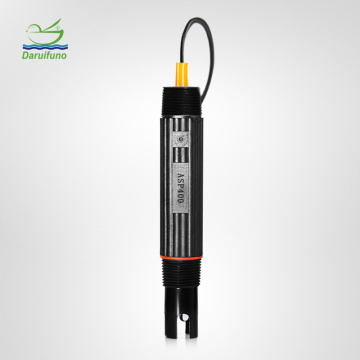
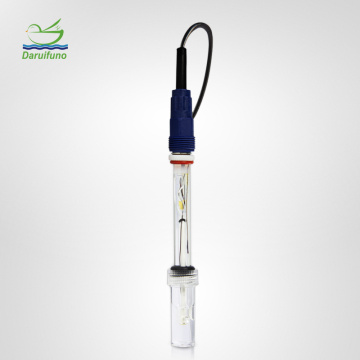
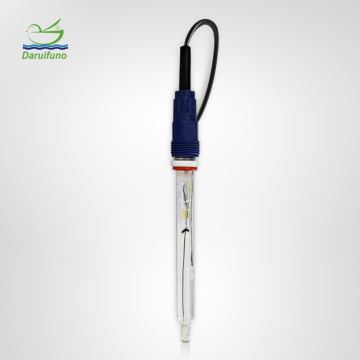
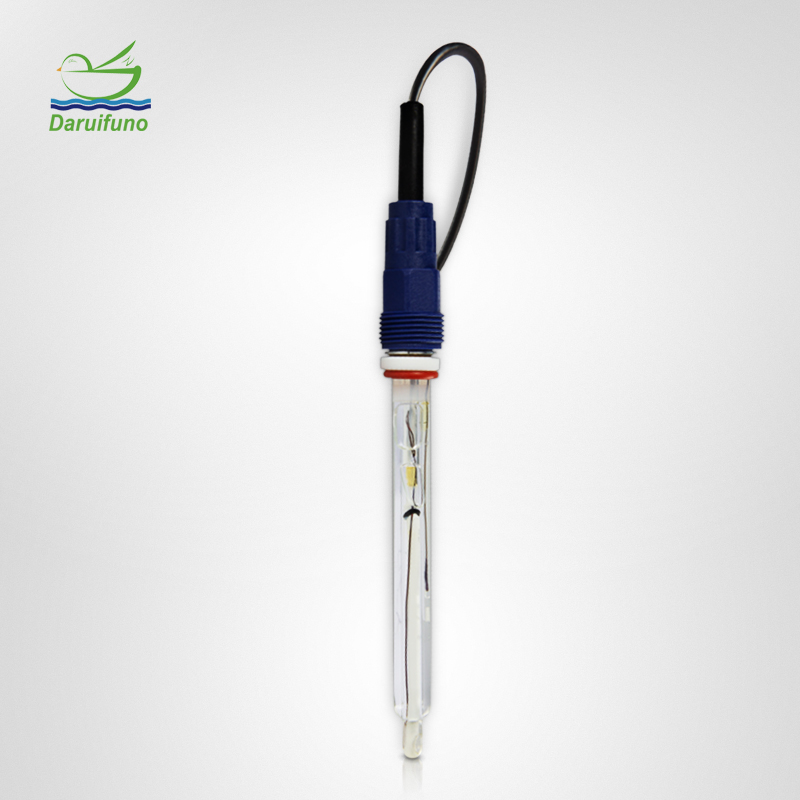
Electroplating is a process in which direct current is passed into an electrolyte solution of a certain tissue, and metal is plated on the surface of parts through the conversion of electrical energy into chemical energy. , covering the surface of the plated parts with a thin layer of metal plating. The properties of the surface of the plated parts are replaced by the physical and chemical properties of the covered metal. The basic production process of electroplating can be divided into three stages: pre-plating treatment, electroplating stage, and post-plating treatment. Electroplating wastewater often comes from the cleaning water of plating parts, waste plating solution, plating solution brought out from plating parts, ground washing water, plating solution filtration, deplating solution, and leakage of aqueducts or leakage, dripping, and dripping caused by poor management. Leakage of various tank fluids and drainage, etc. Electroplating wastewater contains large amounts of acids, alkalis, cyanides, and metal compounds such as chromium, copper, nickel, and zinc. If electroplating wastewater is discharged into the environment without treatment, it will have a greater impact on the ecological environment. The ASP122E online pH glass electrode developed and produced by Daruifuno is suitable for continuous pH monitoring of electroplating wastewater. Usually the pH value of electroplating wastewater depends on the condition of the wastewater. Acidic wastewater is generally 2~6pH, and alkaline wastewater is generally 9~12pH. The effluent quality standard for electroplating wastewater is between PH 6 and 9.
Specification
| Product Name | PH electrode sensor |
| Product Model | ASP122E |
| Measuring Range | 0~14pH |
| Indicator Electrode | Low impedance cylindrical glass membrane |
| Working Pressure | Medium and low temp environment: max. 0~6bar |
| High temp environment: 0~3bar | |
| Operating Temperature | Medium and low temp environment: 0~80℃, continuously working |
| High temp environment: 80~100℃, continuously working<60 mins | |
| Materials | Glass + dotted ceramic holes |
| Reference System | Ag/AgCl reference electrode, double salt bridge, KCl gel |
| Shaft Material | glass |
| Temperature Unit | PT100, PT1000, NTC10K customized |
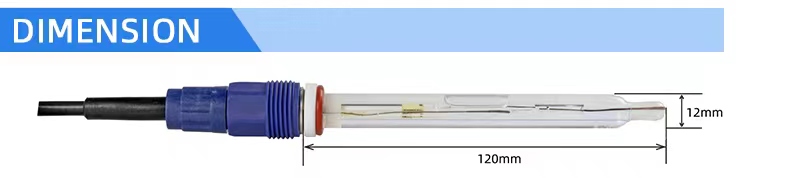
| Dimensions | Diameter 12mm / Length120mm (customized) |
| Installation Dimensions | PG13.5 |
| Zero (E0) | ±0.25 pH |
| Slope (SLOP)% | >95% |
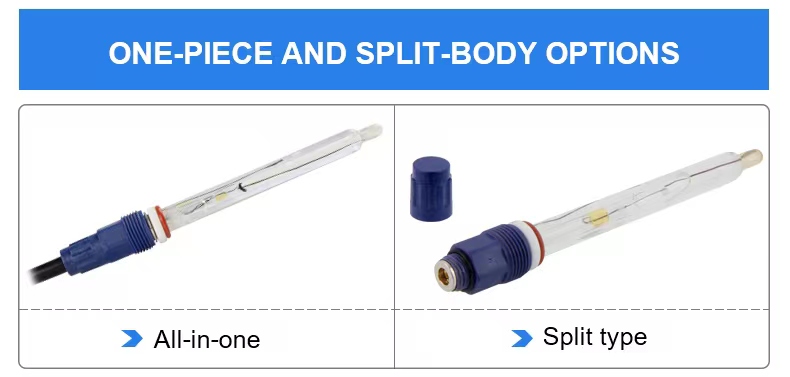
| Tail Lead | Integral or split, FVP connector |
Why should we monitor the pH value of electroplating wastewater?
The amount of electroplating wastewater is smaller than that of wastewater from papermaking, printing and dyeing, and petrochemical industries, but it contains many types of highly toxic substances and is still very harmful.
1. Harm of acid and alkali wastewater
It will harm the life of microorganisms in the water, destroy the aggregate structure of the soil, and have adverse effects on the meat quality and milk of fish and livestock. The chemical degreasing and ultrasonic degreasing stages are relatively alkaline, while the pickling stage is relatively acidic.
2. Hazards of cyanide-containing wastewater
Cyanide is an extremely poisonous substance, and the lethal dose of cyanide poisoning to the human body is 0.25g. It mainly comes from cyanide copper plating and gold plating processes.
3. Hazards of chromium-containing wastewater
Metal chromium is almost non-toxic, trivalent chromium is slightly toxic, and hexavalent chromium is highly toxic to human skin. Damage will be caused to the respiratory system and internal organs. It mainly comes from the chromium plating process and product passivation process.
4. Hazards of wastewater containing heavy metals
Electroplating wastewater generally contains heavy metals such as nickel, copper, lead, and zinc. These heavy metals have certain toxicity and will cause varying degrees of harm to the human body.
5. Hazards of organic matter
Organic compounds such as organic complexes, organic surfactants, organic additives, and organic degreasers are commonly used in electroplating, which mainly lead to increases in COD, BOD and other indicators.
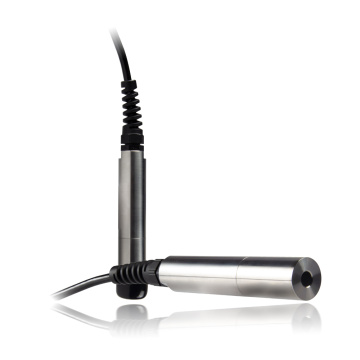
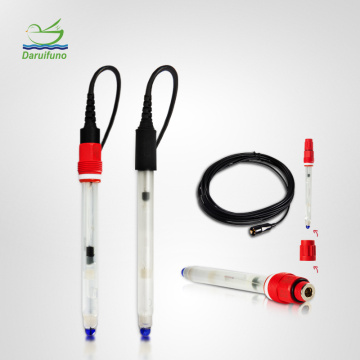
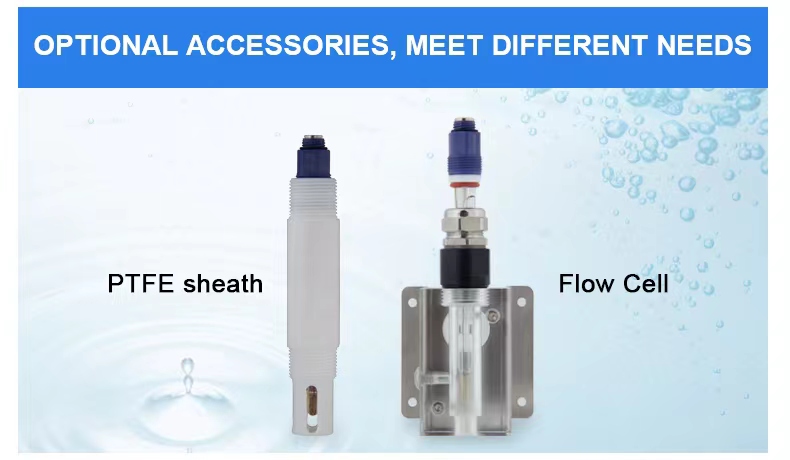
For pH electrodes, we provide matching Flow cells, PTFE sheaths and other accessories. The ASP122E series of customized industrial process pH electrodes can be used with the APX model online pH controller to realize functions such as display, control, and data output. The controller has two 4-20mA current outputs and 2 configurable SPST relays. Delfino company focuses on the R&D and production of water quality analysis instruments. Our main products include pH ORP analyzer, conductivity analyzer, turbidity analyzer, COD analyzer, dissolved oxygen analyzer, ammonium analyzer, chlorine analyzer, etc. If you need to monitor the pH value of pure water with low conductivity and are looking for a reliable pH electrode, please contact us.
About Us
Related Products List
Contact Us

Send Inquiry


Privacy statement: Your privacy is very important to Us. Our company promises not to disclose your personal information to any external company with out your explicit permission.
Fill in more information so that we can get in touch with you faster
Privacy statement: Your privacy is very important to Us. Our company promises not to disclose your personal information to any external company with out your explicit permission.