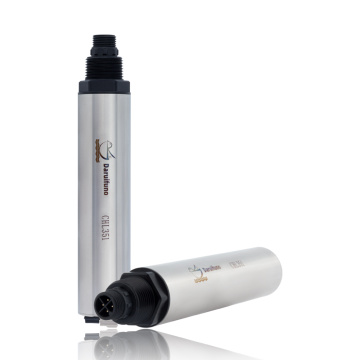

Category: Chlorophyll Sensor
Products> Chlorophyll Sensor> Optical Chlorophyll Fluorescence Sensor for Lakes
Send Inquiry
*
*
Optical Chlorophyll Fluorescence Sensor for Lakes

Optical Chlorophyll Fluorescence Sensor for Lakes

Get Latest Price
    Measuring range
    Precision
    option
    Contact Now
    Share:

    Model No.CHL351

    BrandDaruifuno

    CertificationISO9001

    Measuring Objectchlorophyll a

    CommunicationMODBUS RTU

    Working Temperature0~50℃

    Protection GradeIp68

    Support CustomizationOem

    Place Of OriginChina

    Measuring Range0~400ug/L

    Shaft MaterialTi

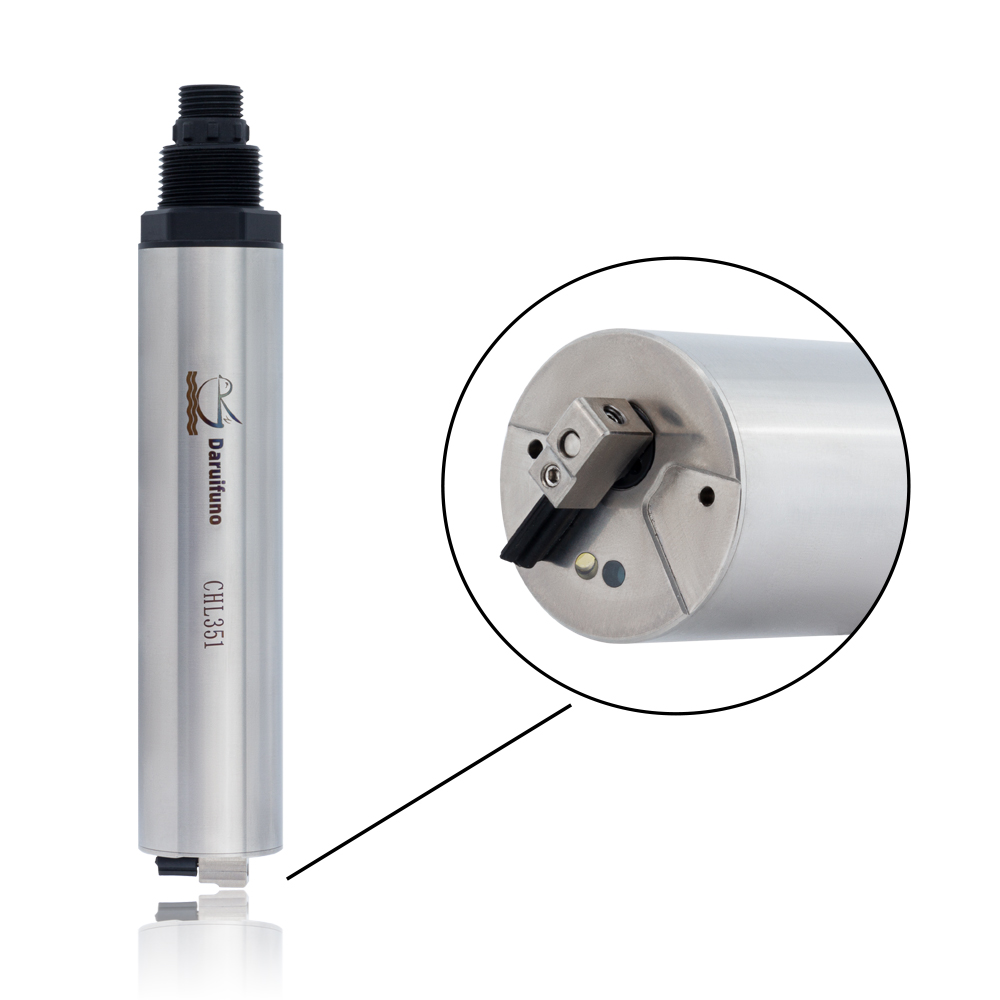
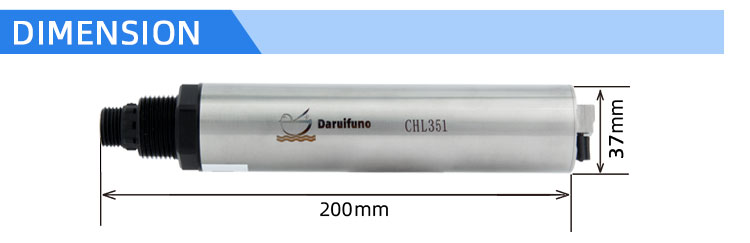
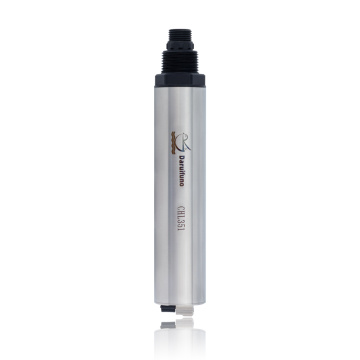
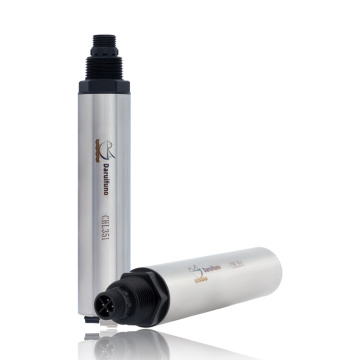
    DimensionDiameter 37mm/Length 200mm

    Product NameChlorophyll Sensor

    Description
    Product Description

    Optical Fluorescence Chlorophyll Sensor for Lakes

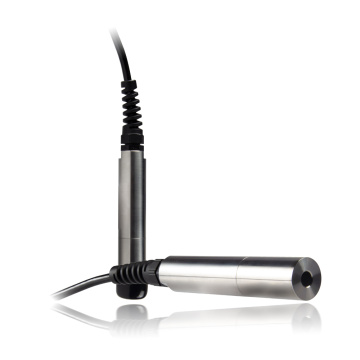
    The Lake Chlorophyll Sensor is a specialized instrument that uses the principle of optical fluorescence to measure the chlorophyll concentration in lake water. This advanced technology allows for accurate and reliable assessment of chlorophyll levels, which is essential for monitoring the health and productivity of lake ecosystems.
    ?
    Features and Structure
    The heart of the Lake Chlorophyll Sensor lies in its ability to utilize chlorophyll fluorescence. The sensor uses a 470nm light source to excite chlorophyll a molecules in the water, causing them to emit fluorescence in the range of 660 to 700nm. The intensity of the emitted fluorescence is then measured to calculate the concentration of chlorophyll a. Near-infrared LEDs are used as light sources to ensure that the sensor is not affected by the color of the water sample, thereby improving measurement accuracy.
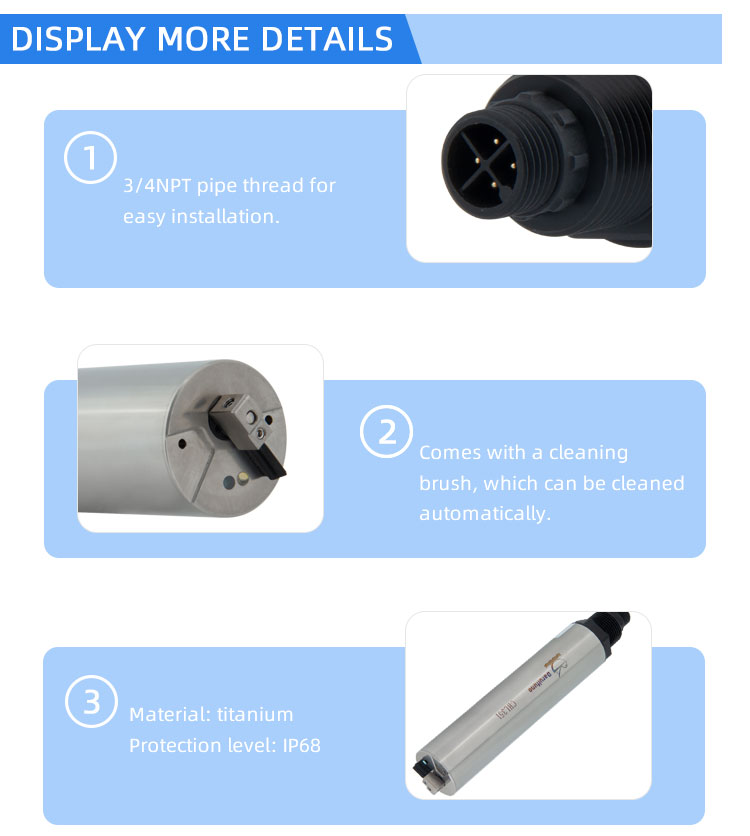
    A notable feature of this sensor is the use of a cleaning brush, which facilitates automatic cleaning underwater. This eliminates the need for human intervention and ensures continuous, uninterrupted monitoring. In addition, the sensor uses the RS485 Modbus communication protocol, which can be seamlessly integrated with standard industrial control systems and chlorophyll controllers. This compatibility allows for easy data collection, analysis, and remote monitoring.
    ?

    Specification

    Product Name Chlorophyll sensor
    Product Model CHL351
    Measuring Range 0~400ug/L
    0~100RFU
    Measuring Principle 470nm light source to produce fluorescence
    Resolution 0.1 ug/L
    Temperature Compensation Automatic, built-in temperature unit
    Communication Modbus RTU, RS485 interface
    Response Time T90≤30s
    Operating Temperature 0~50℃
    Shaft Material Ti
    Dimensions Diameter 37mm/length 200 mm
    Protection Grade IP68
    Cable Length 10m(customized)
    Cleaning Brush Equipped, automatic cleaning
    Power Information DC 12~24V
    Installation 3/4" NPT?
    ?
    chlorophyll sensor dimension
    chlorophyll probe
    ?
    Applications and Benefits
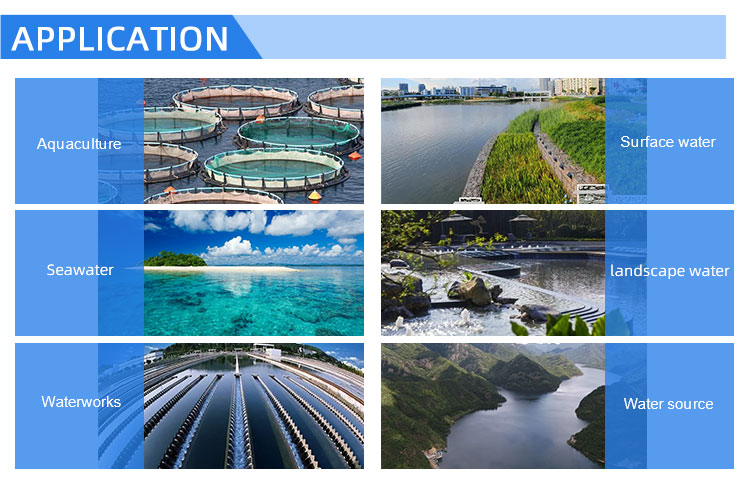
    Lake chlorophyll sensors are widely used for surface water monitoring, especially in lakes where the health of aquatic ecosystems is critical. By providing real-time data on chlorophyll concentrations, the sensor helps assess algal growth, which can indicate the presence of nutrient pollution or other ecological imbalances.
    One of the main advantages of using an optical fluorescence chlorophyll sensor for lake measurements is its convenience and speed. Unlike time-consuming and complex traditional laboratory methods, field measurements with this sensor can be performed quickly and easily. This makes it an ideal tool for ongoing monitoring and early detection of potential problems.
    In addition, the sensor does not require the use of chemical reagents, thereby preventing secondary contamination. It can also be measured in the field without disturbing the living environment of chlorophyll. However, it should be noted that the sensor may be affected by other fluorescent substances and background light, resulting in some errors in the data. Nevertheless, these errors can be minimized through advanced algorithms and calibration procedures.
    ?
    chlorophyll sensor application
    ?
    In addition to chlorophyll sensors, our company also provides a comprehensive range of water quality analysis instruments, including cyanobacteria sensors, dissolved oxygen sensors, pH sensors, and turbidity sensors. Together, these instruments provide a holistic view of lake water quality, allowing for more informed decisions and effective management strategies.
    ?
    In summary, the lake optical fluorescence chlorophyll sensor represents a major advancement in water quality monitoring. Its precision, reliability, and ease of use make it an indispensable tool for protecting and maintaining the health of lake ecosystems. For those who care about lake water quality, investing in a chlorophyll sensor is a step toward ensuring a sustainable and vibrant aquatic environment.
    Contact Us Now
    Enter your inquiry details, We will reply you in 24 hours.
    Please fill in the information
    * Please fill in your e-mail
    * Please fill in the content
    Category: Chlorophyll Sensor
    Products> Chlorophyll Sensor> Optical Chlorophyll Fluorescence Sensor for Lakes
    Send Inquiry
    *
    *

    We will contact you immediately

    Fill in more information so that we can get in touch with you faster

    Privacy statement: Your privacy is very important to Us. Our company promises not to disclose your personal information to any external company with out your explicit permission.

    Send