


 Contact Now

Send Message
Privacy statement: Your privacy is very important to Us. Our company promises not to disclose your personal information to any external company with out your explicit permission.
 Suzhou Delfino Environmental Technology Co., Ltd.
Select Language
English

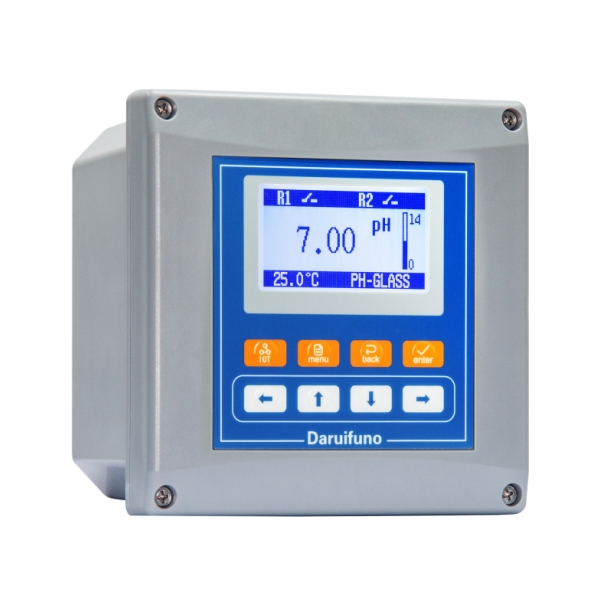


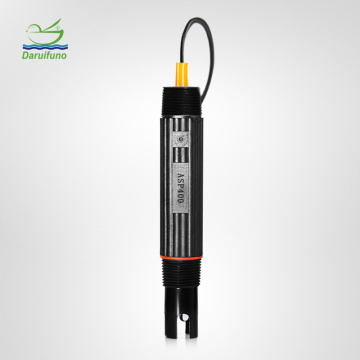
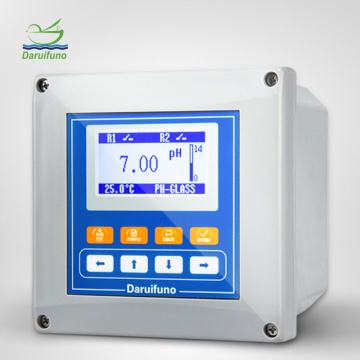
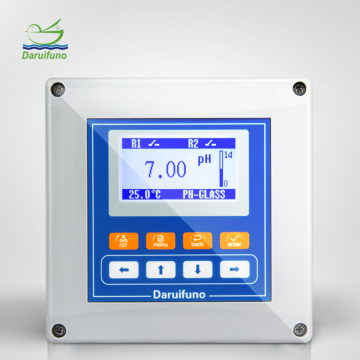
In industrial water treatment, maintaining optimal pH and ORP (Oxidation-Reduction Potential) levels is crucial for ensuring process efficiency, regulatory compliance, and environmental protection. The pH ORP Controller is an essential device used for real-time monitoring and adjustment of pH and ORP, widely applied in wastewater treatment, industrial cooling water systems, and food processing. This article explores real-world applications where PH ORP controllers significantly improve water quality and operational efficiency.
?
Wastewater treatment plants must regulate pH and ORP levels to ensure effective biological and chemical treatment processes. If pH levels deviate too far from neutral, microbial activity in biological treatment can be disrupted, leading to inefficient pollutant breakdown. Similarly, ORP control helps manage oxidation processes, such as chlorine disinfection and heavy metal precipitation.
Case Study: A municipal wastewater treatment facility implemented an advanced PH ORP controller to stabilize pH levels between 6.5 and 7.5. This prevented fluctuations that previously caused incomplete ammonia removal and high effluent turbidity. The ORP control feature also optimized the disinfection process, reducing chlorine consumption by 20% while maintaining compliance with discharge regulations.
Cooling water systems in power plants, manufacturing facilities, and HVAC units require strict pH and ORP control to prevent scaling, corrosion, and microbial growth. Uncontrolled pH can lead to scale formation, reducing heat exchange efficiency, while improper ORP levels can encourage bacterial growth, including Legionella.
Case Study: A petrochemical plant integrated a PH ORP controller into its cooling towers to maintain pH between 7.0 and 8.5. This prevented scale buildup, reducing maintenance costs and improving heat transfer efficiency. Additionally, the ORP control function ensured proper biocide dosing, significantly lowering the risk of bacterial contamination.
In the food and beverage industry, PH ORP controllers play a crucial role in ensuring product safety and consistency. pH levels must be carefully controlled in fermentation, beverage production, and cleaning processes, while ORP monitoring helps manage disinfection steps.
Case Study: A dairy processing plant utilized a PH ORP controller to maintain the pH of milk-based products within strict quality parameters. By integrating automated pH adjustment, the plant improved consistency and reduced product waste by 15%. ORP control was also used in the cleaning process to optimize sanitizer effectiveness, ensuring hygiene standards were met without excessive chemical use.
?
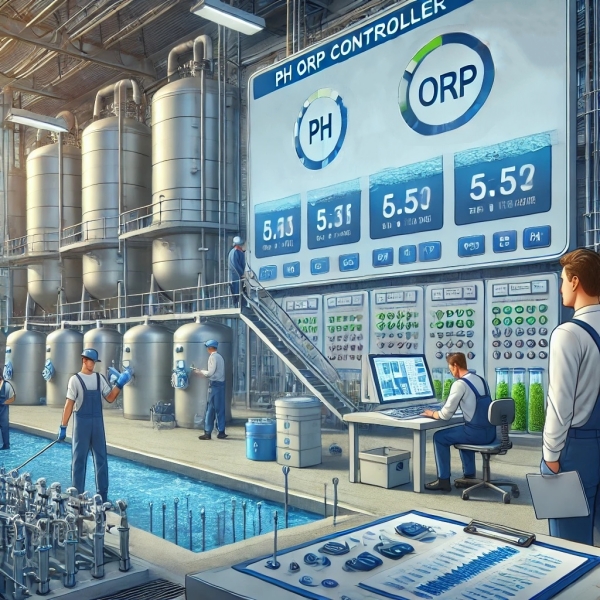
The PH ORP controller is a fundamental tool in industrial water treatment, with applications across wastewater treatment, cooling water management, and the food industry. By implementing advanced PH ORP controllers, industries can achieve greater efficiency, regulatory compliance, and environmental responsibility.
If you are looking to enhance your industrial water treatment processes with a PH ORP controller, contact us today for expert guidance.
About Us
Related Products List
Contact Us

Send Inquiry


Privacy statement: Your privacy is very important to Us. Our company promises not to disclose your personal information to any external company with out your explicit permission.
Fill in more information so that we can get in touch with you faster
Privacy statement: Your privacy is very important to Us. Our company promises not to disclose your personal information to any external company with out your explicit permission.