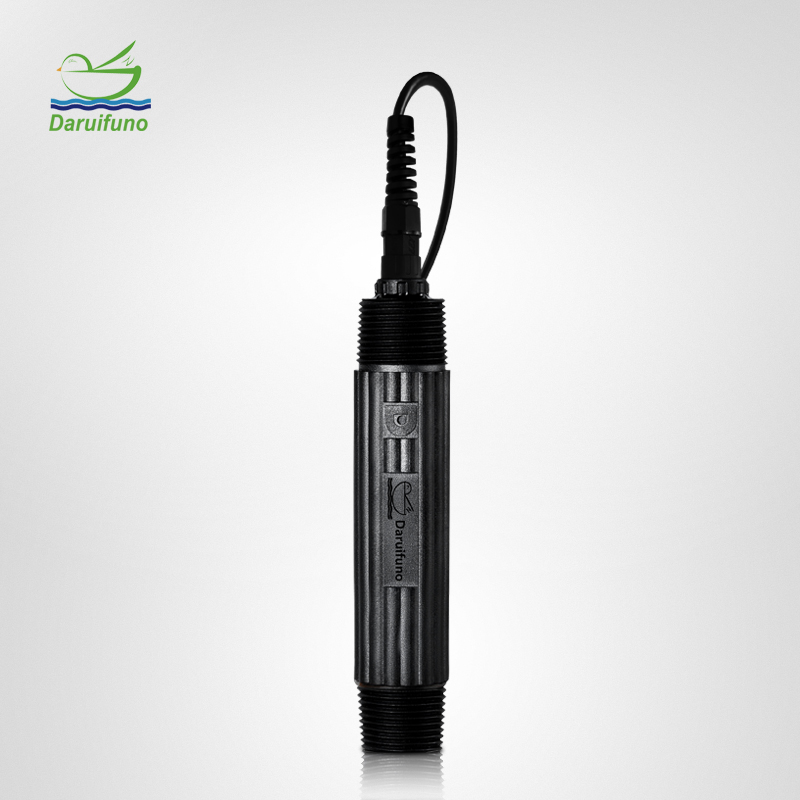
Surface Water Turbidity Sensor (Probe): Definition and Comprehensive Introduction
?
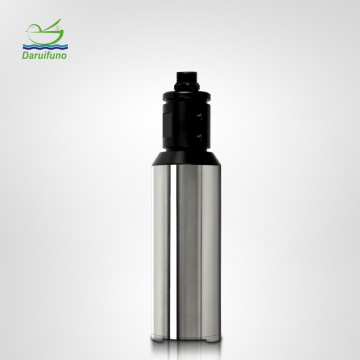
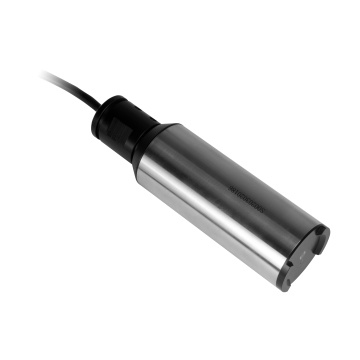
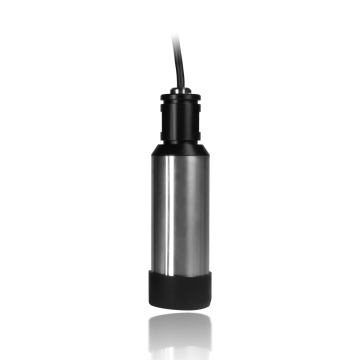
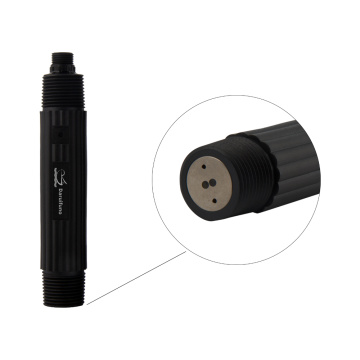
A Surface Water Turbidity Sensor (Probe) is a specialized instrument designed for monitoring the clarity of surface water. It operates by measuring the scattering of light caused by suspended particles in the water, such as silt, algae, plankton, and sewage, which contribute to the cloudiness of the water. The sensor utilizes an infrared scattering method to quantify the turbidity level, providing real-time data on water quality.
?
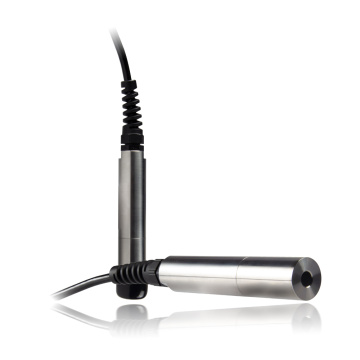
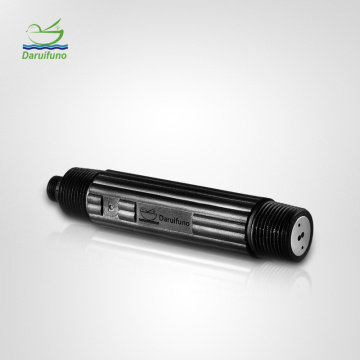
The Surface Water Turbidity Sensor features a robust construction, typically made of PPS engineering plastic shell resistant to high temperature and corrosion, and a titanium alloy internal body that withstands seawater corrosion and wave impact. Its compact and miniaturized design ensures ease of use and portability, allowing for both online monitoring and on-site inspections when connected to handheld devices. Additionally, the sensor boasts a digital interface, such as RS485, enabling direct connection to a computer for data reading and calibration. It can also be integrated with turbidity controllers like the DUC2-TU for advanced display, control, and data transmission.
?
Turbidity, as a measure of water clarity, is influenced by various factors. Higher turbidity readings indicate cloudier water, whereas clear water has a low turbidity value. Surface water turbidity can be elevated due to stormwater runoff, pollutants, dust, pet feces, and other urban contaminants entering the river system. In rural areas, loose soil or leaves entering water bodies during rainfall can also contribute to increased turbidity. Monitoring surface water turbidity is crucial for maintaining water quality and ecosystem health.
?
Turbidity not only affects the aesthetic appeal of water but also has broader implications for water safety and ecosystem functioning. High turbidity levels can displace oxygen in the water, leading to anoxic conditions that are harmful to aquatic life. These particles can also absorb heat, raising water temperatures and decreasing dissolved oxygen levels. Furthermore, excessive turbidity reduces sunlight penetration, slowing photosynthesis and impacting the production of gaseous molecular oxygen in water. Increased turbidity can even clog fish gills, leading to fish death when combined with low dissolved oxygen levels. In extremely turbid environments, animals may face difficulties in finding each other, resulting in lower reproduction rates.
?
As a supplier and manufacturer of Digital Turbidity Sensors & Probes
?
DOSZ stands as a trusted partner in the field of water quality analysis, specializing in the R&D and production of digital turbidity sensors and probes. Our commitment to excellence and innovation ensures that we provide cutting-edge solutions tailored to the evolving needs of our customers. Our Surface Water Turbidity Sensor & Probes embody our dedication to precision and reliability, offering robust performance in diverse water quality monitoring scenarios.
?
Our products, including the online OPTU790
Turbidity Probe, are designed to deliver precise and dependable results, empowering you to make informed decisions about your water quality management. The OPTU790 utilizes advanced infrared scattering technology to measure turbidity in rivers, lakes, and oceans, ensuring accurate and real-time data.
?
If you are in search of reliable and versatile water quality analysis instruments, DOSZ's Surface Water Turbidity Sensor & Probes are your ultimate choice. Contact us today to learn more about our offerings and discover how we can support your efforts in achieving precise and reliable water quality monitoring. Our team of experts is ready to assist you in selecting the right solution for your specific needs.

 Contact Now

 Shenzhen DOSZ Technology Co., Ltd.