Description
In the dynamic world of modern aquaculture, where the health and growth of fish are of paramount importance, maintaining optimal dissolved oxygen (DO) levels stands as a cornerstone for success. A low-maintenance
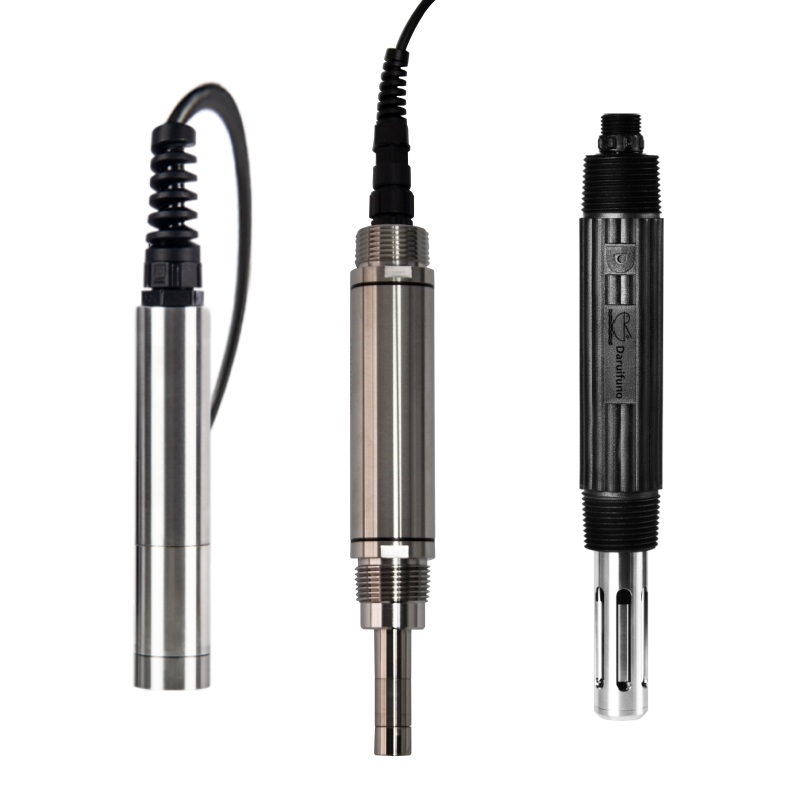
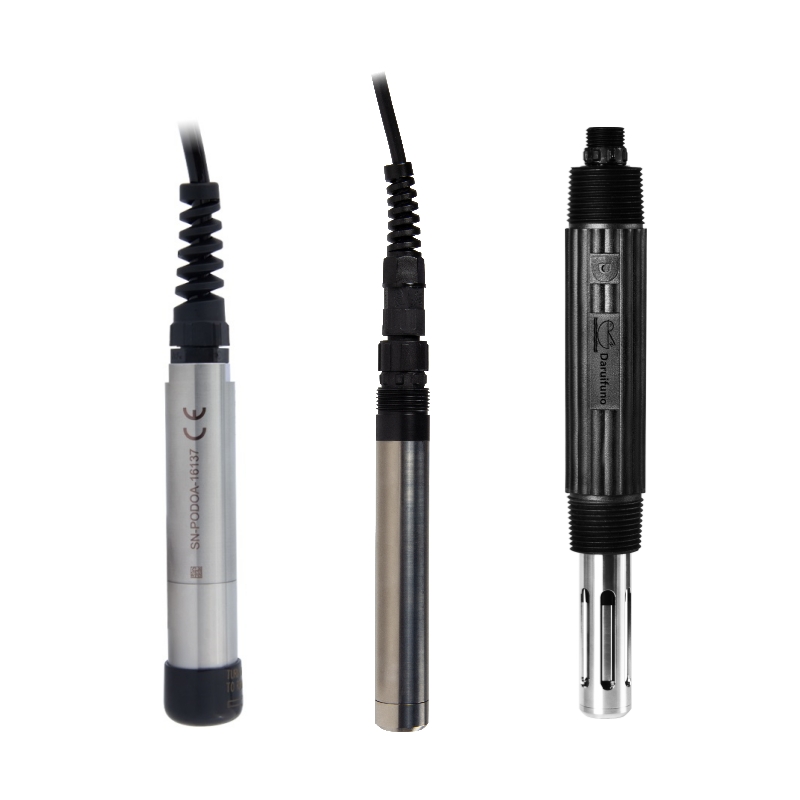
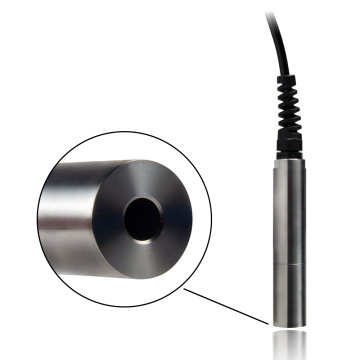
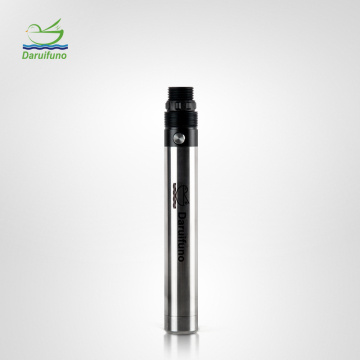
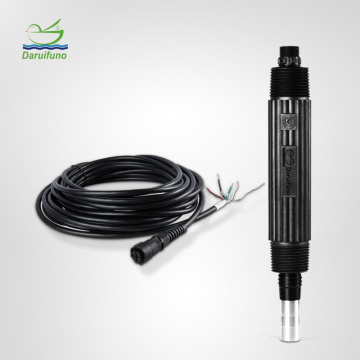
Optical Dissolved Oxygen Sensor, tailored specifically for fish farming environments, emerges as a game-changer, offering reliable and accurate readings while drastically reducing the need for frequent maintenance. This innovative sensor is an indispensable asset for fish farmers striving for precise and efficient water quality control.
?
An optical dissolved oxygen sensor is a cutting-edge electronic instrument that harnesses fluorescence lifetime technology to accurately measure dissolved oxygen content in water. At its core lies the fluorescence quenching effect, a phenomenon where the time taken for a fluorescent substance's fluorescence to extinguish after exposure to excitation light is used to infer oxygen molecule concentration.
When excitation light hits the fluorescent substance on the membrane head's surface, it triggers fluorescence emission. The duration of this fluorescence is influenced by the oxygen molecule concentration on the membrane head. By detecting the phase difference between the fluorescence and excitation light and cross-referencing it with an internal calibration curve, the sensor calculates the oxygen molecule concentration. Temperature and salinity compensation further refine the reading, ensuring utmost accuracy.
Unlike traditional electrochemical sensors, which demand electrolytes, membranes, and frequent recalibration, optical dissolved oxygen sensors excel in low-maintenance continuous use within aquaculture settings.
?
Applications in Fish Farming
The applications of this low-maintenance optical dissolved oxygen sensor in fish farming are extensive and transformative:
Oxygen Level Monitoring: Continuously track oxygen levels in fish tanks and ponds, providing real-time data crucial for maintaining optimal conditions.
Automated Aeration Systems: Enable automatic aeration based on real-time oxygen readings, ensuring consistent and appropriate oxygenation without manual intervention.
Fish Health and Growth Optimization: By optimizing dissolved oxygen levels, the sensor enhances fish growth rates and survival, contributing to healthier and more robust stocks.
Cost Reduction: Significantly reduce labor and maintenance costs associated with traditional oxygen monitoring methods.
Stable Water Quality in RAS: Maintain stable water quality in recirculating aquaculture systems (RAS), where precise oxygen control is vital for system efficiency and fish well-being.
?
Key Advantages of Our Dissolved Oxygen Sensors
Our low-maintenance optical dissolved oxygen sensors offer unmatched durability and accuracy for fish farming operations. Here are the key benefits that set them apart:
?
Long-Term Stability: Deliver accurate readings over extended periods without the need for frequent recalibration, ensuring consistent performance.
Maintenance-Free Design: Eliminate the need for membranes, electrolytes, and reduce cleaning requirements, minimizing downtime and maintenance costs.
Real-Time Monitoring: Seamlessly integrate with control systems for automated oxygen management, providing instant feedback and allowing for prompt adjustments.
Fouling Resistance: Operate reliably even in harsh aquaculture environments, where biofouling and other contaminants can pose challenges to traditional sensors.
Easy Installation: Boast a plug-and-play design, compatible with most aquaculture systems, ensuring hassle-free setup and integration.
?
Key Settings and Recommendations
To maximize the benefits of our low-maintenance optical dissolved oxygen sensor in fish farming, consider the following key settings and recommendations:
Installation Location: Install the sensor in a representative area of the fish tank or pond, avoiding dead zones or areas with excessive turbulence.
Calibration: While the sensor is designed for long-term stability, periodic calibration using a known oxygen standard can further enhance accuracy.
Integration with Control Systems: Connect the sensor to an automated control system to enable real-time monitoring and automatic aeration adjustments based on oxygen levels.
Regular Cleaning: Although the sensor has minimal cleaning requirements, periodic cleaning of the membrane head can prevent biofouling and ensure optimal performance.
Data Logging and Analysis: Utilize data logging capabilities to track oxygen levels over time, identify trends, and make informed decisions about water quality management.
?
In Conclusion
Our low-maintenance optical dissolved oxygen sensor is poised to revolutionize the fish farming industry. By providing accurate, continuous, and worry-free monitoring, it empowers aquaculture operators to maintain optimal conditions, reduce labor costs, and increase production efficiency. Whether you manage a small fish pond or a large commercial farm, this sensor delivers the performance and reliability you need to succeed in today's competitive aquaculture landscape.
?
Explore our full range of
optical dissolved oxygen sensors for a variety of applications beyond fish farming, including drinking water, industrial processes, wastewater treatment, and more. Contact us today to discuss your dissolved oxygen monitoring needs and learn how our solutions can improve your operational efficiency.



 Contact Now

 Shenzhen DOSZ Technology Co., Ltd.