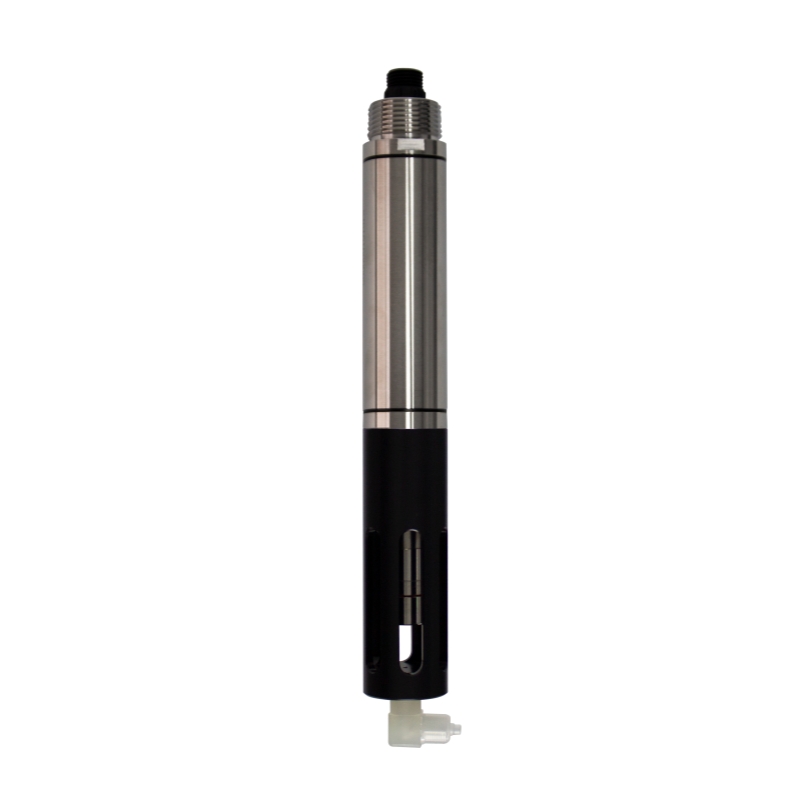
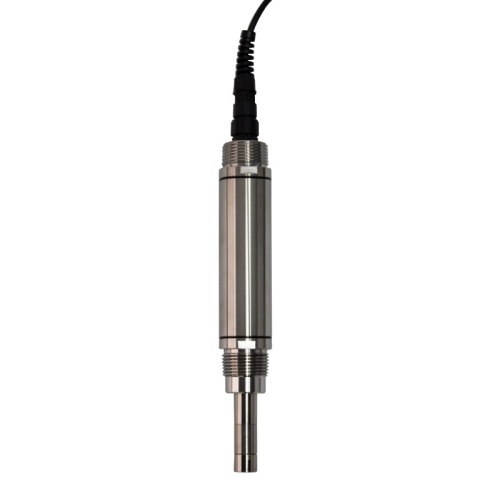
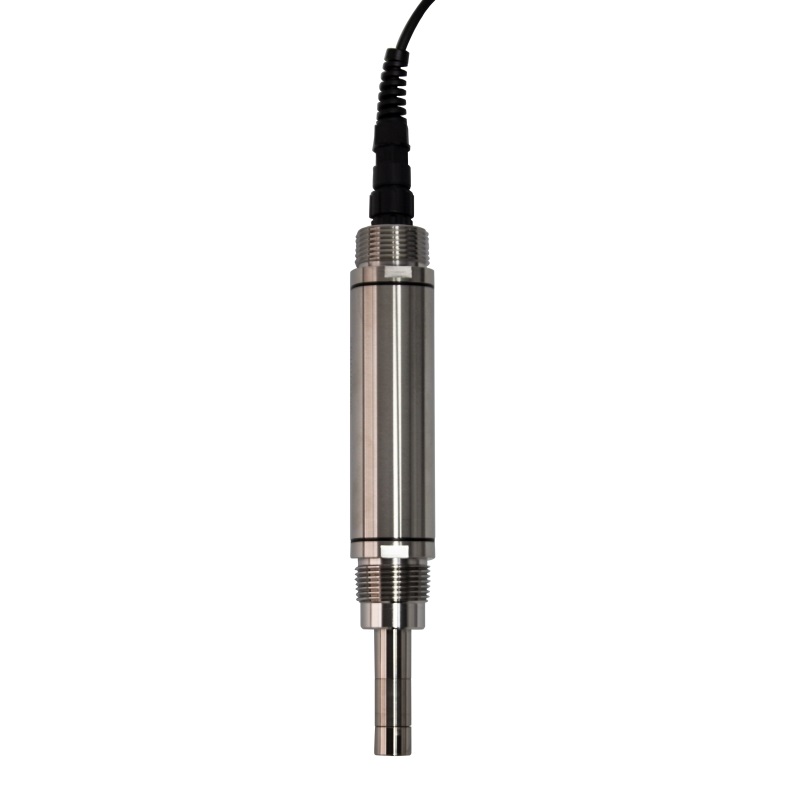
The Fluorescence Dissolved Oxygen Sensor is a device that uses the principle of fluorescence quenching to measure the dissolved oxygen concentration in water. Due to its high accuracy, no need for electrolytes, and no influence from flow rate, it has been widely used in many fields, making it an indispensable device in various fields such as wastewater treatment, environmental monitoring and aquaculture. ?
Working Principle
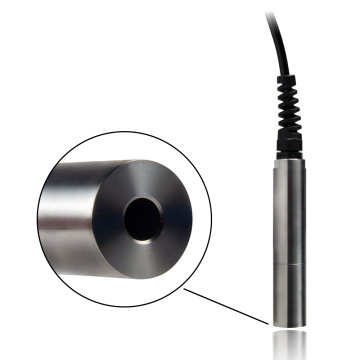
The working principle of fluorescence dissolved oxygen sensors is based on the fluorescence quenching phenomenon. Inside the sensor, a special fluorescent substance is immobilized beneath a polyester foil that allows gas molecules to pass through. When blue light emitted by the sensor strikes this fluorescent substance, it absorbs the light energy and emits red light. However, oxygen molecules in the water interact with the fluorescent substance, causing a quenching effect that removes part of the excited energy, resulting in a reduction in red fluorescence intensity and lifetime.
?
Correlation with Dissolved Oxygen Concentration
The variation in fluorescence intensity is closely related to the concentration of dissolved oxygen in the water. The higher the oxygen concentration, the stronger the quenching effect, leading to lower fluorescence intensity and a shorter fluorescence lifetime. The sensor measures the phase difference between the excited red light and a reference light, compares it with internal calibration values, and accurately calculates the oxygen concentration.
?
Key Features
High Precision: These sensors can capture minute changes in dissolved oxygen levels, providing highly accurate measurement results.
No Electrolytes Required: Unlike traditional methods, these sensors do not consume oxygen during measurement, eliminating the need for electrolytes and avoiding issues like electrode polarization.
Unaffected by Flow Rates: They are independent of water flow rates and agitation, making them suitable for various aquatic environments.
Wide Voltage Supply: The wide voltage supply design accommodates multiple DC power environments, enhancing flexibility and convenience.
Automatic Temperature Compensation: Ensures measurement accuracy across different temperatures.
Rapid Response Time: Allows for real-time reflection of changes in dissolved oxygen concentration.
?
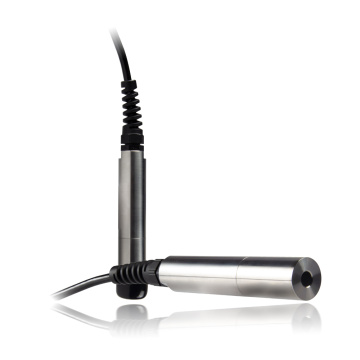
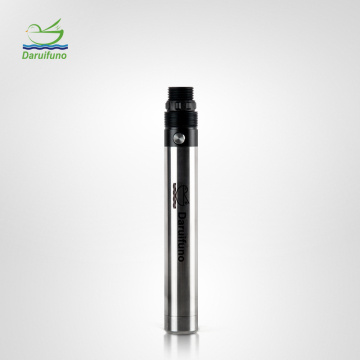
The OPD890 is a leading product in the category of fluorescence dissolved oxygen sensors. Designed for accurate and reliable measurements of dissolved oxygen, oxygen saturation, and temperature, this sensor excels in applications involving wastewater treatment, surface water, and groundwater monitoring.
?
Construction and Durability
The OPD890 is constructed from durable PPS + SS316 stainless steel, making it suitable for long-term use in harsh environments. Its compact design and ease of installation, facilitated by 1-inch NPT threads at both ends, ensure a secure connection.
?
Communication and Integration
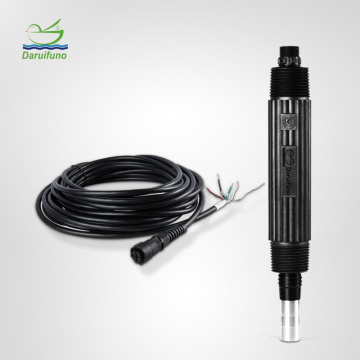
The sensor offers RS485 Modbus-RTU communication for seamless integration into existing monitoring systems, making it an ideal choice for water quality monitoring applications.
?
Applications
Water Treatment: These sensors play a crucial role in monitoring dissolved oxygen levels, providing critical data for effective water treatment and environmental protection.
Environmental Monitoring: Contribute to the assessment of water quality and identification of potential pollution sources.
Aquaculture: Essential for maintaining optimal oxygen levels in fish tanks and ponds, supporting the healthy growth of aquatic organisms.
?
Conclusion
Fluorescence dissolved oxygen sensors are a highly efficient and sensitive monitoring tool. By utilizing the principle of fluorescence quenching, they accurately measure dissolved oxygen concentrations in water. Their features, including high precision, elimination of the need for electrolytes, independence from flow rates, wide voltage supply, automatic temperature compensation, and rapid response time, have made them indispensable in multiple fields. The OPD890 sensor, with its robust construction, ease of installation, and seamless integration capabilities, stands out as a preferred choice for water quality monitoring applications.



 Contact Now

 Shenzhen DOSZ Technology Co., Ltd.