
 Contact Now

Send Message
Privacy statement: Your privacy is very important to Us. Our company promises not to disclose your personal information to any external company with out your explicit permission.
 Shenzhen DOSZ Technology Co., Ltd.
Select Language
English


| Measuring range | |
| Precision | |
| option | |
| Contact Now |


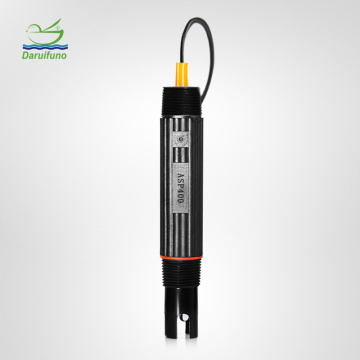
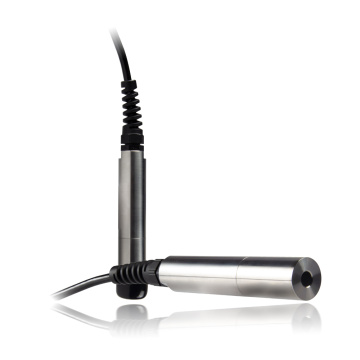
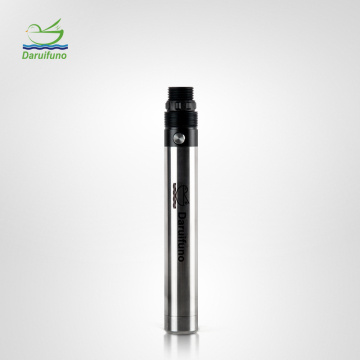
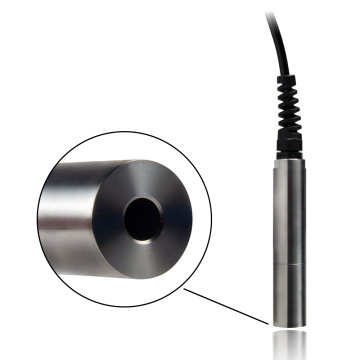
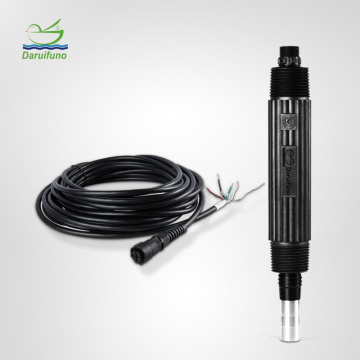
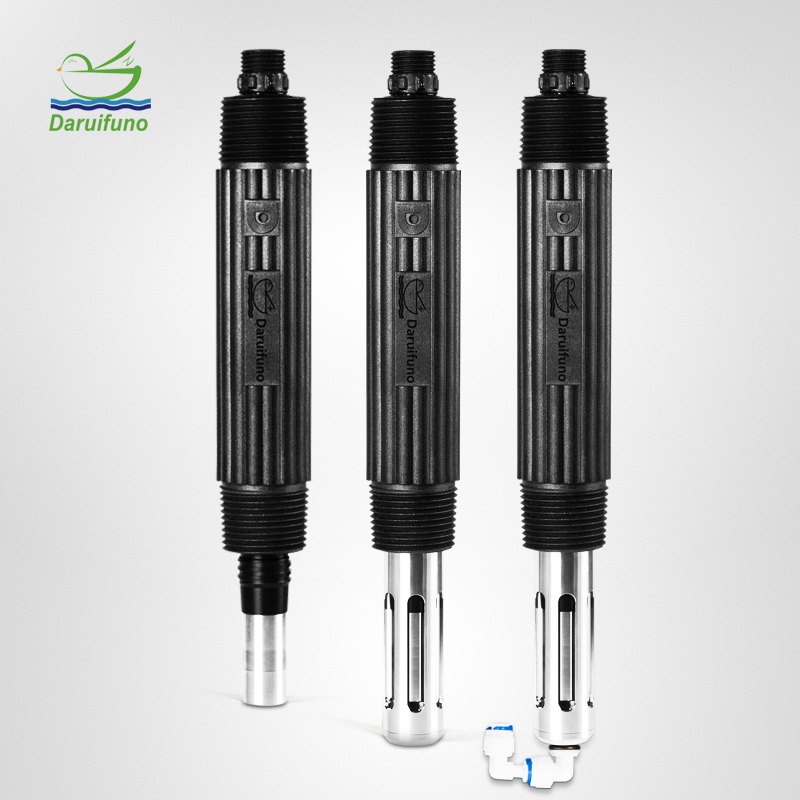
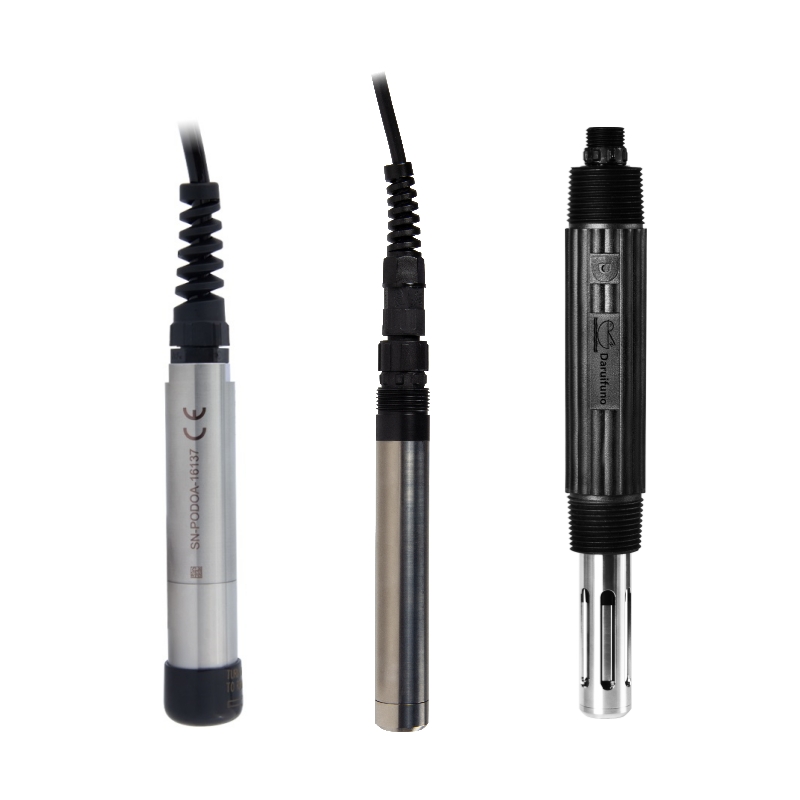
An Optical Dissolved Oxygen Sensor, also known as an Optical DO Sensor, is a critical instrument for continuous monitoring of dissolved oxygen (DO) levels in water quality applications. Utilizing the principle of fluorescence quenching, this sensor provides accurate and stable measurements without the need for reagents or oxygen consumption. It is designed for plug-and-play convenience and is suitable for a variety of pollution occasions due to its corrosion-resistant PPS housing material.
Sewage treatment is a vital process for maintaining water quality in both natural and human-made environments. By removing pollutants and reducing discharge concentrations, sewage treatment helps to preserve aquatic ecosystems and ensure the safety of water resources for human consumption and other uses. Dissolved oxygen levels are a key parameter in this process, as they directly affect the ability of microorganisms in activated sludge to break down organic matter.
?
Optical dissolved oxygen sensors offer several key features that make them ideal for water quality monitoring applications:
The following are some of the key specifications and technical details of optical dissolved oxygen sensors:
Optical dissolved oxygen sensors are widely used in sewage treatment applications to monitor and control dissolved oxygen levels. By ensuring that dissolved oxygen levels are maintained within the optimal range (typically 1-3 mg/L), these sensors help to optimize the performance of activated sludge processes and reduce power consumption. They are also useful for detecting and preventing problems such as sludge bulking and scum formation.
?
The use of optical dissolved oxygen sensors in sewage treatment offers several benefits:
Optical dissolved oxygen sensors are an essential tool for monitoring and controlling dissolved oxygen levels in sewage treatment applications. With their accuracy, stability, and ease of use, these sensors help to ensure the effective removal of pollutants and improve water quality. By optimizing process performance and reducing power consumption, they also offer significant cost savings and contribute to the sustainability of sewage treatment operations.
About Us
Related Products List
Contact Us

Send Inquiry


Privacy statement: Your privacy is very important to Us. Our company promises not to disclose your personal information to any external company with out your explicit permission.
Fill in more information so that we can get in touch with you faster
Privacy statement: Your privacy is very important to Us. Our company promises not to disclose your personal information to any external company with out your explicit permission.