
 Contact Now

Send Message
Privacy statement: Your privacy is very important to Us. Our company promises not to disclose your personal information to any external company with out your explicit permission.
 Shenzhen DOSZ Technology Co., Ltd.
Select Language
English



| Measuring range | |
| option | |
| Contact Now |


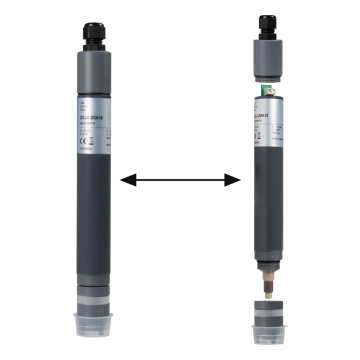
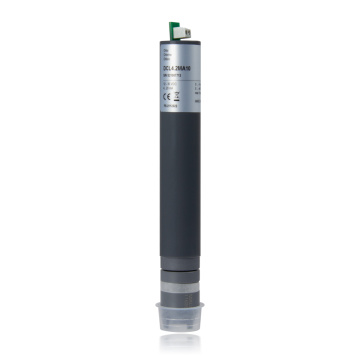
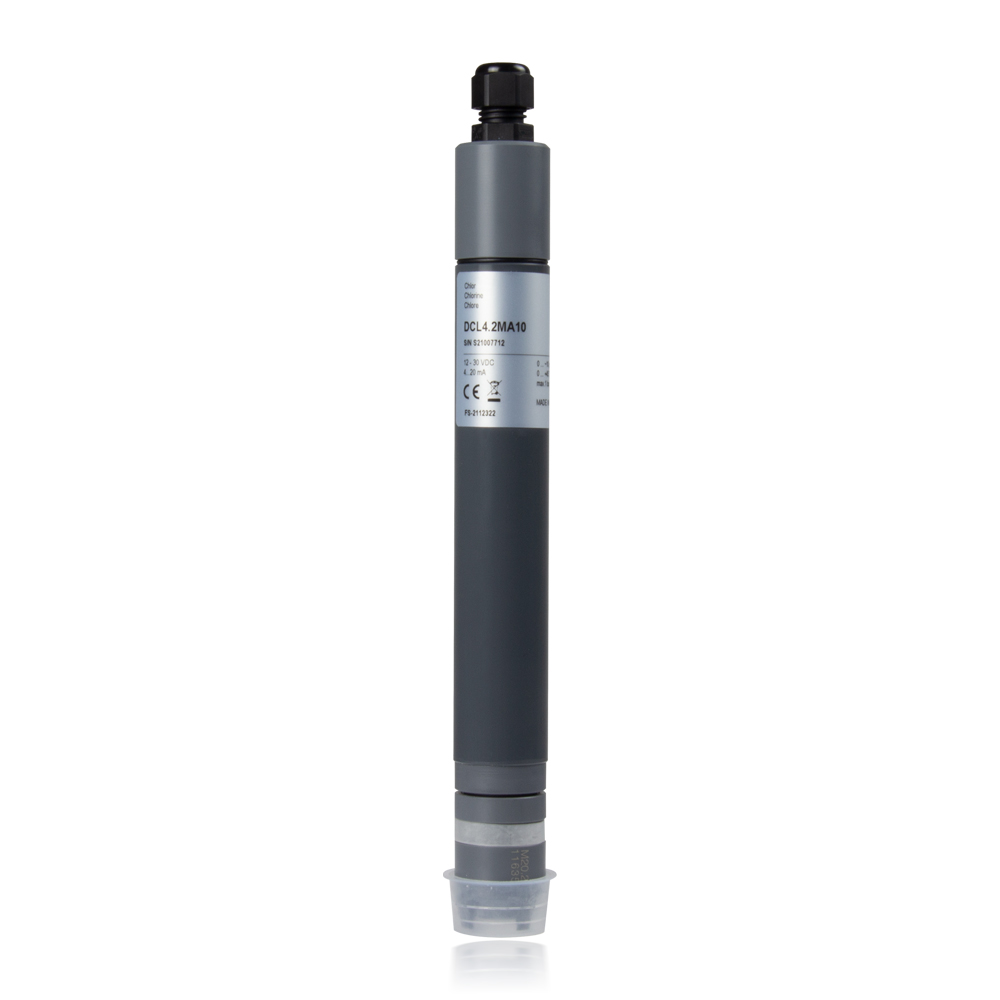
The advantage of the film-covered ampere residual Chlorine Sensor is high sensitivity. The sensor reacts residual chlorine with the reducing agent on the film layer on the electrode surface through an electrochemical reaction, and generates a current signal, which is proportional to the concentration of residual chlorine. , so accurate measurement of low concentration residual chlorine can be achieved. The response time of this CL4.2 residual chlorine sensor is 30 seconds, which can monitor the change of residual chlorine concentration in real time, and is suitable for water quality monitoring and treatment process control. The amperometric residual chlorine sensor can provide high-precision measurement results and has strong anti-interference ability. Our residual chlorine sensor has good stability. The design and material of the film layer determine that the residual chlorine sensor can maintain stability during long-term use and reduce performance degradation caused by time of use. The CL4.2 residual chlorine sensor is suitable for drinking water, clean water and other environments. If it is sewage and wastewater, it is best to choose our CS4 residual chlorine sensor, and the CC1 residual chlorine sensor for swimming pool water. For more selection support, please contact us.?
Specification
| Product Name | Chlorine Sensor |
| Measure | Free inorganic chlorine |
| Principle | membrane-covered, amperometric 2-electrode system |
| PH Range | 6~8pH |
| Pressure Range | 0~1 bar |
| Temp Range | 0~45 ℃ |
| TEMP Compensation | Automatic temperature compensation |
| Response Time | T90?about 30s |
| Flow Rate | About 30 l/h, low flow dependence |
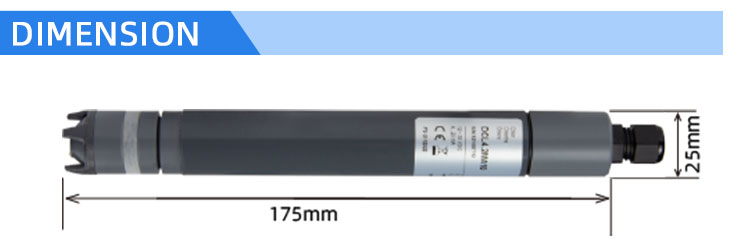
| Shaft Length | Standard 175 mm |
| Output | 4-20mA |
| Material | PVC-U,? semipermeable membrane |
| Application | Fresh water free of surfactants and with constant pH |
| Calibration | At the controller, via analytical chlorine determination by DPD-1 method |
| Interferences | ClO2, O3 |
?
When choosing a residual chlorine sensor, you need to consider the type of water quality. The water quality of drinking water, swimming pool water and industrial sewage water is quite different, so you need to use a suitable residual chlorine sensor. In terms of measurement range, there are also many choices for residual chlorine sensors. Customers should choose a larger measurement range according to the measurement range of their actual application. And some application scenarios require the sensor to have a fast response time and be able to monitor changes in residual chlorine concentration in real time. In addition, the residual chlorine sensor also needs regular maintenance and calibration to ensure its performance and accuracy.?
Our company also provide the universal disinfectant controller which can be connected to the chlorine sensor to display the value, make control and output the data.
About Us
Related Products List
Contact Us

Send Inquiry


Privacy statement: Your privacy is very important to Us. Our company promises not to disclose your personal information to any external company with out your explicit permission.
Fill in more information so that we can get in touch with you faster
Privacy statement: Your privacy is very important to Us. Our company promises not to disclose your personal information to any external company with out your explicit permission.