
 Contact Now

Send Message
Privacy statement: Your privacy is very important to Us. Our company promises not to disclose your personal information to any external company with out your explicit permission.
 Suzhou Delfino Environmental Technology Co., Ltd.
Select Language
English



| Measuring range | |
| option | |
| Contact Now |


Ammonia nitrogen in water poses significant risks to both human health and aquatic ecosystems. Under certain conditions, ammonia nitrogen can be converted into nitrite. If consumed over long periods, nitrite in water can combine with proteins to form nitrosamines, which are potent carcinogens and extremely harmful to human health. Additionally, ammonia nitrogen, particularly in its free form, is highly toxic to aquatic organisms, being dozens of times more toxic than ammonium salts. Fish are particularly sensitive to ammonia nitrogen levels in water, and high concentrations can lead to fish death.
The concentration of ammonia nitrogen in sewage is often high, and if discharged directly, it can cause a series of environmental problems. Therefore, rapid and accurate determination of ammonia nitrogen in sewage is crucial to prevent pollution.
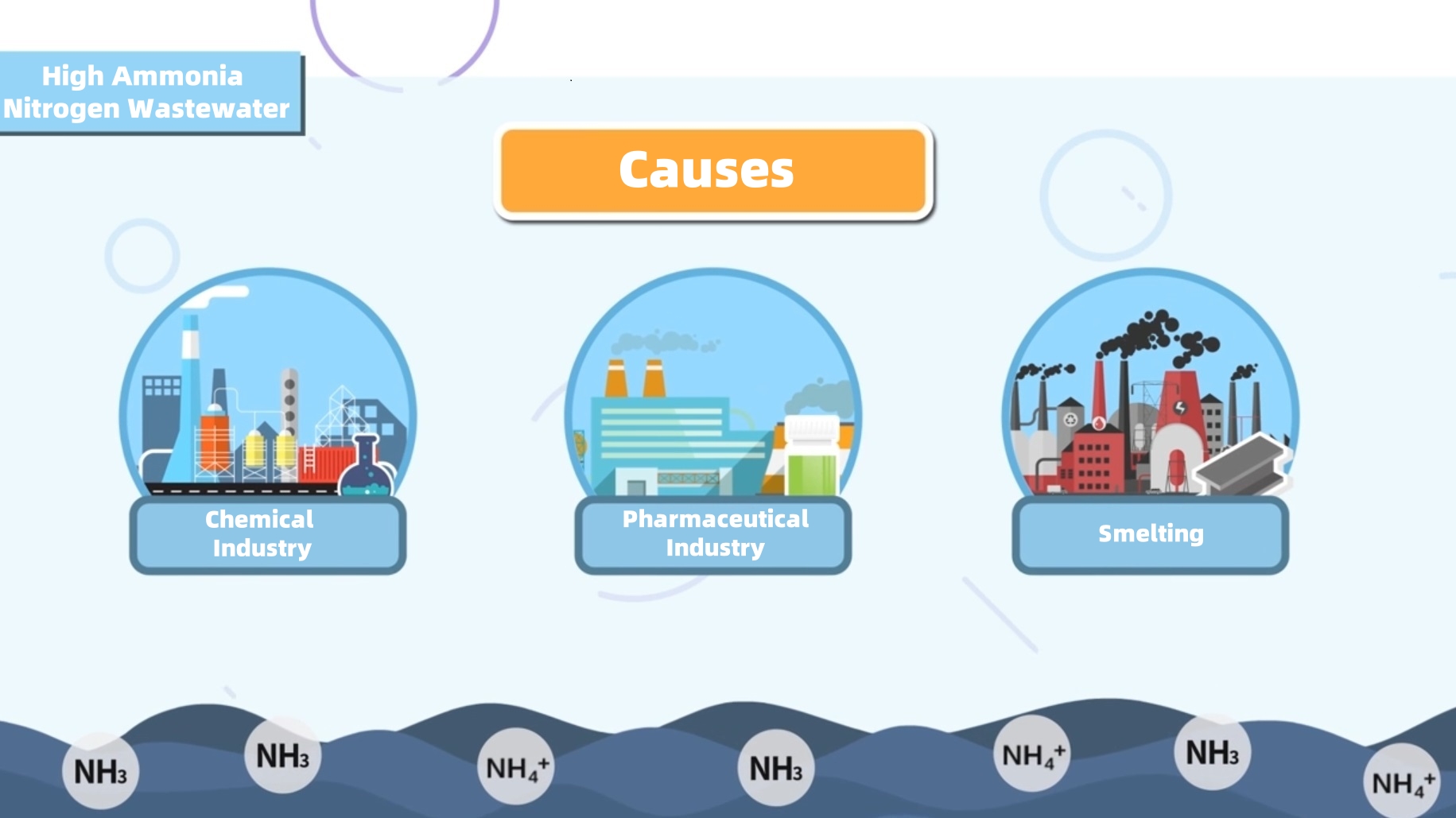
The primary sources of high ammonia nitrogen wastewater are the chemical industry, pharmaceutical industry, and smelting processes.
Conventional methods for analyzing turbid wastewater require pretreatment, which can be time-consuming and costly. In contrast, the ion selective electrode (ISE) method is not affected by color, turbidity, or suspended solids and can be directly measured without pretreatment.
?
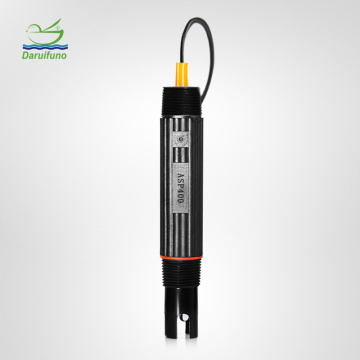
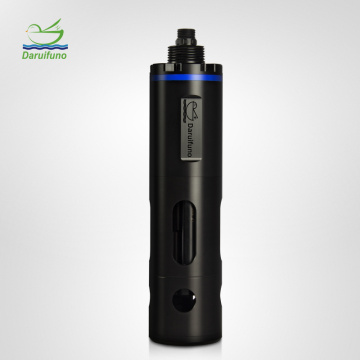
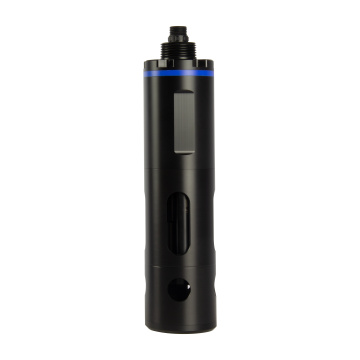
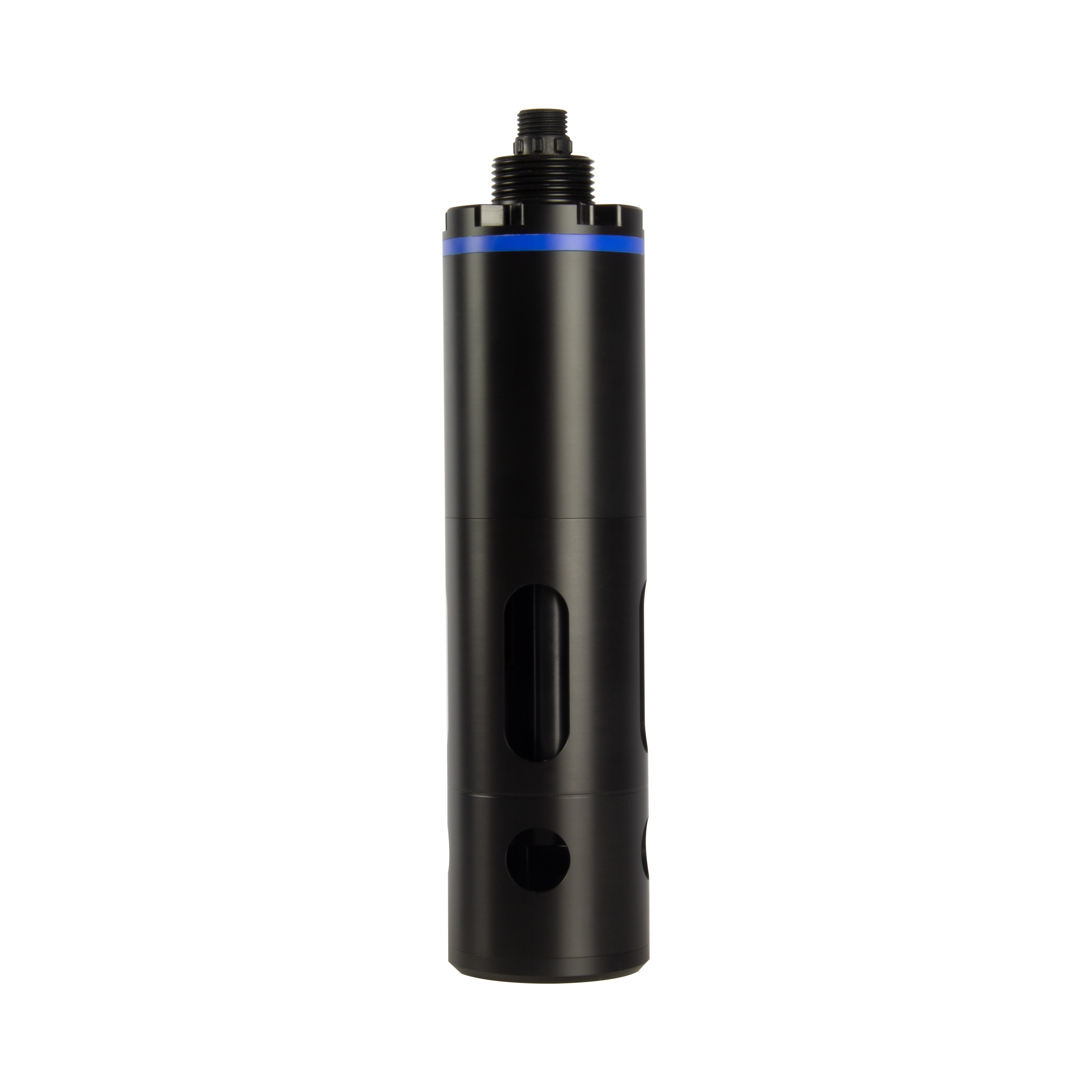
The Daruifuno brand NH351 ion electrode method ammonia nitrogen probe offers a solution to the challenges of measuring ammonia nitrogen in wastewater. This probe uses an integrated measuring cylinder structure, making it compact and easy to operate. It provides fast detection speeds, making it suitable for rapid, frequent, and continuous measurement in the field.
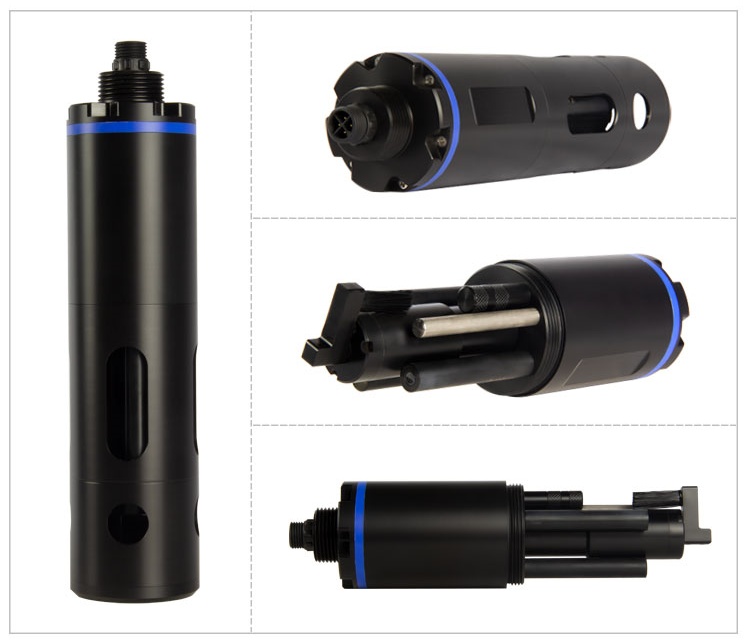
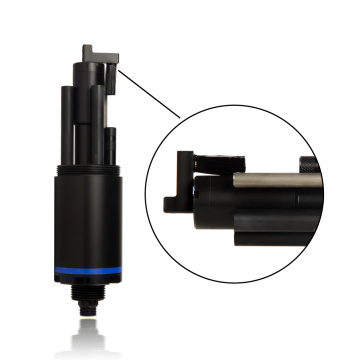
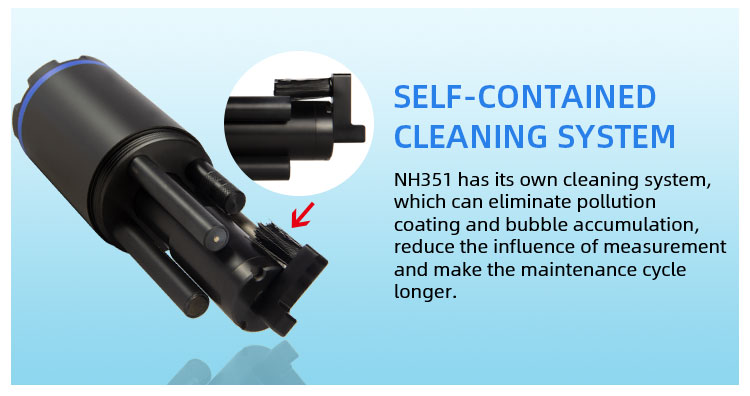
The NH351 Ammonia Sensor comes with a cleaning system that eliminates contamination and bubble build-up, reducing the impact on measurements and extending maintenance intervals. The ion electrode method used by the ammonia sensor requires no reagent consumption, ensuring good stability and low maintenance.
?
| Model | NH351? |
| Measuring Principle | ion electrode measurement method |
| Measuring Range(NH4-N) | 0.01~100mg/L? 0.05~1000mg/L |
| Resolution(NH4-N) | 0.01mg/L |
| Accuracy(NH4-N) | less than 5% of the measurement value or ±0.2mg/L, take the larger one |
| Measuring Range(pH) | 0~14pH |
| Accuracy(pH) | ±0.1pH |
| Response Time | T90<2min |
| Temperature Range | 0~50℃ |
| Working Pressure | 1Bar |
| Power | DC 9~24V DC |
| Output | RS485, Modbus RTU protocol |
| Protection Grade | IP68 |
| Cable Length | 10m (custom) |
| Shell Material | POM? |
| Assembly | Investment |
?
In addition to digital ammonia sensors, Daruifuno also provides digital pH sensors, turbidity sensors, dissolved oxygen sensors, and other water quality analysis instruments. If you need any solutions regarding water analyzers, please contact us!
About Us
Related Products List
Contact Us

Send Inquiry


Privacy statement: Your privacy is very important to Us. Our company promises not to disclose your personal information to any external company with out your explicit permission.
Fill in more information so that we can get in touch with you faster
Privacy statement: Your privacy is very important to Us. Our company promises not to disclose your personal information to any external company with out your explicit permission.