Analog 4-20mA PH Sensor
Overview
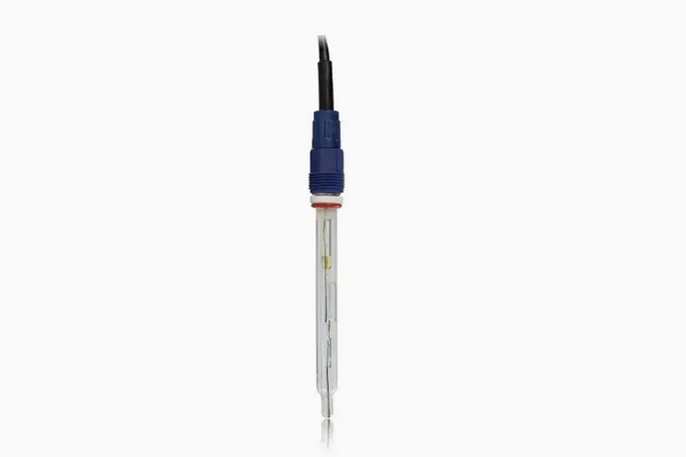
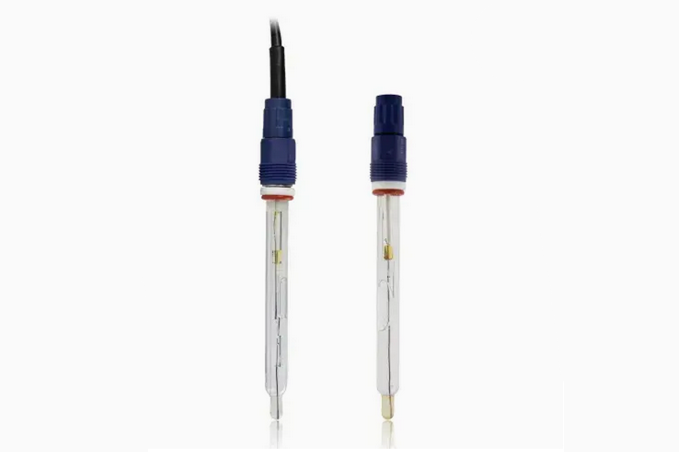
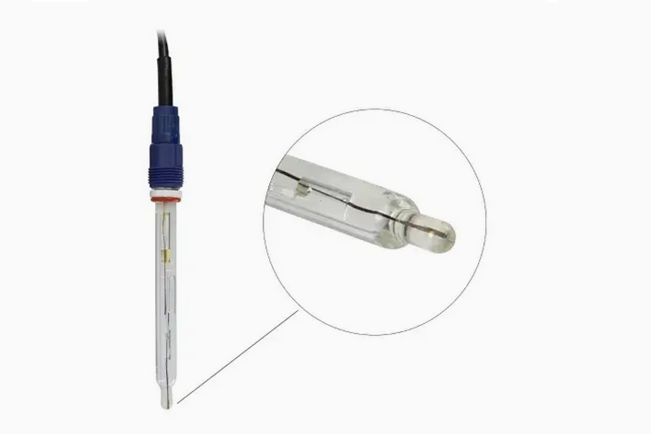
Analog PH Sensor, also known as analog pH Probe, is a precision instrument for online monitoring of the acidity or alkalinity (pH value) of water. In water quality analysis, pH is a critical indicator for assessing the chemical properties of water, directly impacting ecosystem stability, industrial process efficiency, and drinking water safety. By outputting continuous electrical signals directly, analog pH sensors provide efficient and real-time data support for environmental monitoring, industrial production, agricultural irrigation, and other fields. Their measurement accuracy and stability are strategically vital for ensuring water quality safety.
Definition of pH and Its Importance in Water Quality
pH is a dimensionless indicator describing the strength of acidity or alkalinity in a solution, ranging from 0 (strongly acidic) to 14 (strongly alkaline), with a neutral solution having a pH of 7. Changes in water pH directly affect chemical reaction rates, microbial activity, and substance solubility. For example:
- Industrial Sector: Acidic wastewater accelerates the corrosion of metal equipment, while alkaline conditions may cause precipitation and block pipelines.
- Ecological Environment: Sudden changes in water pH can damage fish gill mucosa, affecting the survival of aquatic organisms.
- Drinking Water Treatment: pH must be controlled between 6.5 and 8.5 to ensure the effectiveness of disinfection processes and the safety of distribution networks.
Therefore, precise monitoring of pH is a fundamental aspect of water quality management.
?
Working Principle and Technical Advantages
Analog pH sensors & probes achieve measurements through a combined electrode system, consisting of a glass indicator electrode and a reference electrode.
Electrochemical Response Mechanism
The glass electrode is sensitive to hydrogen ion (H?) concentration, and its potential changes linearly with pH (following the Nernst equation). The reference electrode provides a stable reference potential. The potential difference between the two is converted into a standard analog signal (e.g., 4-20mA or 0-5V) by the signal processing circuit.
Core Value of Analog Output
- Real-time Performance: Direct output without digital conversion, with response times in the millisecond range.
- Compatibility: Seamless integration into traditional analog control systems, reducing system integration costs.
- Interference Resistance: Utilizes shielded cables and differential signal transmission to effectively suppress electromagnetic noise.
Technical Applications in Multiple Fields
The adaptability of analog pH sensors & probes in complex scenarios makes them widely applicable in the following areas:
- Industrial Process Control:
- Monitoring reactor pH in chemical production to ensure catalyst activity.
- Regulating pH in thermal power plant cooling water to prevent pipeline scaling.
- Water/Wastewater Treatment:
- Real-time feedback of pH in neutralization tanks to optimize dosing.
- Monitoring pH during sludge anaerobic digestion to maintain microbial metabolic conditions.
- Precision Agriculture:
- Dynamically adjusting nutrient solution pH in hydroponic systems to enhance crop nutrient absorption efficiency.
- Controlling irrigation water pH in greenhouses to prevent soil salinization.
- Environmental Monitoring:
- Continuous monitoring of surface water pH to warn of acid rain pollution.
- Tracking pH in marine ranching waters to study the impact of climate change on ocean acidification.
Daruifuno ASP Series
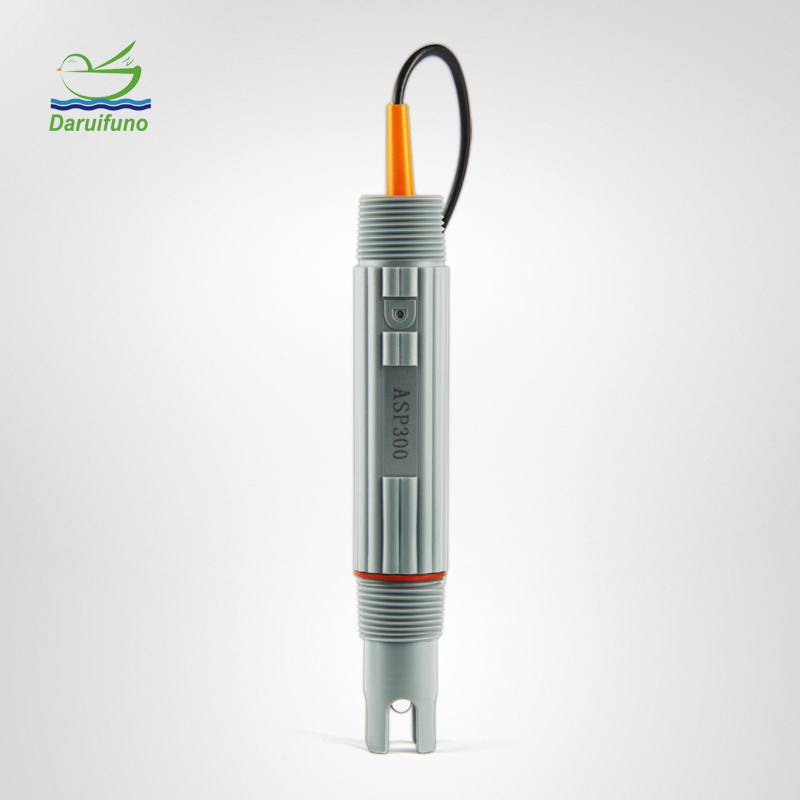
The Daruifuno ASP series analog pH sensor & probe redefines industry standards through innovative technology:
Precision Engineering of Combined Electrodes
Adopts a low-impedance glass membrane formula, expanding the measurement range to 0-14 pH with a linearity error of ≤0.02 pH. Dual salt bridge reference electrode design extends service life to over 12 months.
Industrial-Grade Reliable Construction
316L stainless steel housing with IP68 protection rating, resistant to high-pressure washing and corrosive environments. Built-in temperature compensation circuit automatically corrects temperature drift within the 0-60℃ range.
Economic Breakthroughs
Integrated analog signal output module eliminates the need for separate transmitters. Plug-and-play design supports rapid deployment, shortening system commissioning cycles.
Full-Scenario Adaptability
Tolerates high suspended solids in wastewater treatment, with 30% better signal stability than traditional probes. Achieves 0.01 pH resolution in aquaculture, precisely regulating water acid-base balance.
Conclusion
As a core component of water quality monitoring technology, analog pH sensors & probes are driving environmental monitoring and industrial control towards intelligent and refined development. The Daruifuno ASP series, with its technical depth and broad application scope, not only solves measurement challenges in complex scenarios but also provides global customers with lifecycle cost-effectiveness advantages. Facing the higher challenges of future water quality management, choosing a precise and reliable analog pH sensor will be a critical decision for ensuring the sustainable development of water resources.